
Herbal teas are an ideal beverage choice for the fall season. As the weather turns cooler, herbal teas’ warm, soothing qualities offer comfort and relaxation, making them perfect for cozy evenings indoors.
Many herbal teas have health benefits that are particularly useful during the transition into colder months. Ingredients like elderberries, cranberries, and rosehips can boost the immune system, helping to ward off seasonal colds and flu.
Others, like chamomile and lavender, are known for their calming effects, which can be especially beneficial as the year winds down and stress levels rise. Herbal teas capture the essence of fall and offer a range of wellness advantages, making them the perfect tea for the approaching cold days of fall and winter.
As the leaves change color and the air turns crisp, there’s nothing like a warm cup of
Fall is the perfect season to explore new flavors and combinations in your teacup. Whether you’re an avid forager or prefer to stick to store-bought herbs or tea bags, this list has something for everyone. Here are the 10 best
1. Apple Cinnamon Tea

Apple teas are a delightful blend of apple pieces, herbs, spices, and traditional tea leaves, such as black or green tea, to create a delicious and aromatic tea. The natural sweetness of apples lends itself well to a variety of spicy blends featuring cinnamon sticks and cloves. This tea is usually sweet enough on its own, but maple syrup would be the perfect choice if you need a touch of sweetness.
The versatility of apple tea makes it a popular choice for fall teas.
Apple teas are one of the best teas for the fall season for several reasons.
Apples are a quintessential fall fruit, harvested during the late summer and early autumn months. The warm, comforting nature of apple tea makes it ideal for sipping on cooler days and nights, providing a sense of coziness that many seek during the fall. When blended with spices like cinnamon or ginger, apple teas offer additional health benefits such as improved digestion and anti-inflammatory properties, making them both a tasty and beneficial choice for fall.
Try this great recipe for Easy Hot Apple Cinnamon Tea.
2. Chai-Inspired Herbal Blend

Chai tea is a spiced beverage that originated in India and has gained worldwide popularity. It’s traditionally made by brewing black tea leaves with a mixture of aromatic spices such as cinnamon, cardamom, cloves, ginger, star anise, and sometimes black pepper.
The blend is often simmered with milk and sweetened with sugar or honey to create a rich, flavorful hot drink. Chai can also be made as a caffeine-free version using rooibos tea.
Chai tea is an excellent choice for the fall season. The blend of warm spices in chai offers a comforting aroma and provides a natural heat, which is particularly welcome as the weather turns cooler.
The spices commonly found in chai, like cinnamon and ginger, are often associated with fall baking and cooking, making the tea a perfect complement to fall flavors. Additionally, the spices in chai have various health benefits; for example, ginger is known for its anti-inflammatory properties, while cinnamon can help regulate blood sugar. This makes chai a flavorful and beneficial beverage for the fall, aligning well with the season’s focus on comfort and well-being.
Try one of these delicious chai tea teas:
Caffeine-Free Rooibos Masala Chai
3. Elderflower Tea
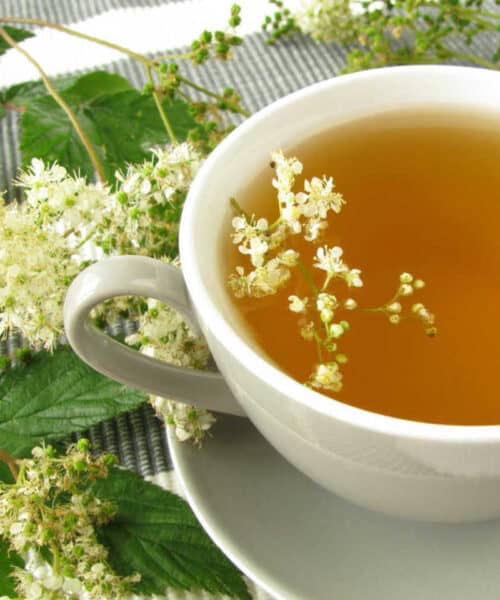
Elderflower tea is made from the flowers or berries of the elderberry plant, often blended with other herbs or spices for added flavor and benefits.
This tea tastes mild, although a tea made from elderberries can be quite tart. Elderflower tea is rich in antioxidants and vitamins and a pretty and interesting tea to serve at an autumn tea party.
Elderflower tea is an excellent choice for the fall season primarily because of its immune-boosting properties. As the weather turns colder, people are more susceptible to colds and flu, making elderberry’s antiviral and immune-enhancing qualities particularly beneficial. Its rich, fruity flavor also pairs well with autumnal foods and spices, making it a comforting and healthful autumn tea recipe.
Elderflower Tea Recipe
4. Rosehip and Hibiscus
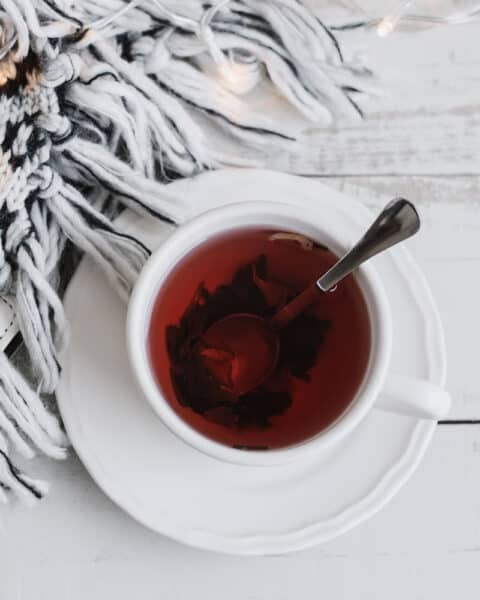
Hibiscus and rosehip tea is a blend of dried hibiscus petals and rosehips, the fruit of the rose plant. This tea is known for its vibrant red color and tart, fruity flavor, often described as a cross between cranberry and citrus.
Both hibiscus and rosehips are rich in vitamin C, which can help boost the immune system—beneficial as flu season approaches.
The tart and fruity flavors offer a refreshing contrast to the more earthy and spicy teas commonly associated with fall. The vibrant red hue of the tea can be a visually pleasing complement to the warm, earthy colors of the autumn season, making your tea experience both flavorful and aesthetically enjoyable.
Hibiscus and Rose Hip Tea
5. Lavender and Chamomile
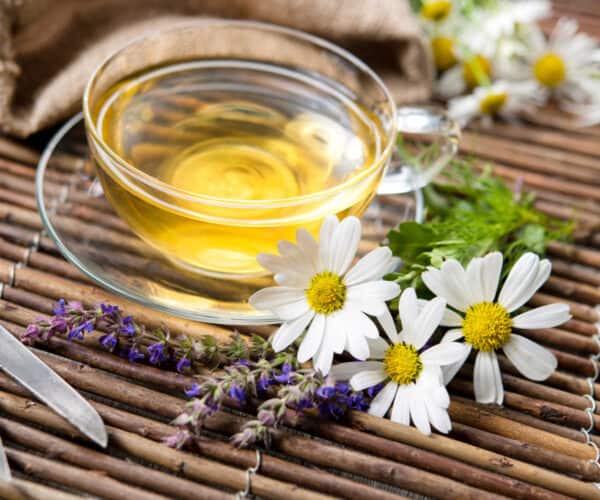
Lavender and chamomile tea is a blend of lavender buds and chamomile flowers, both known for their calming and soothing properties.
The tea has a floral aroma with subtle hints of sweetness and is often consumed for relaxation benefits.
Lavender and chamomile is one of the most popular fall tea blends for several reasons.
First, as the year winds down and the holiday season approaches, stress levels can rise, making the calming effects of lavender and chamomile particularly beneficial.
Secondly, the warm, soothing nature of the tea makes it a comforting choice for cooler fall evenings. It provides a sense of relaxation and well-being that complements the season’s focus on coziness and introspection.
Lavender and Chamomile Herbal Tea Recipe
6. Peppermint Tea
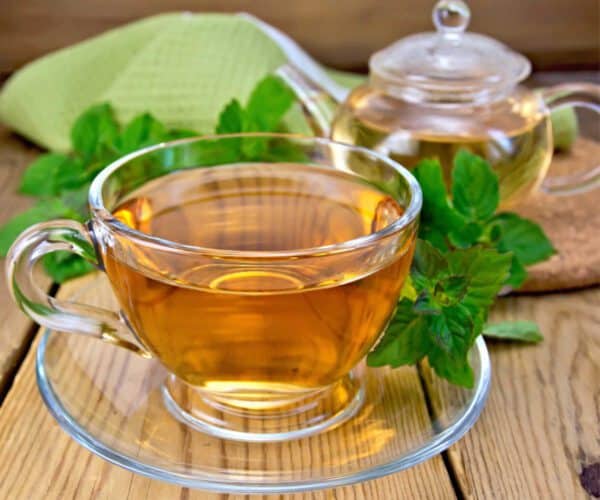
Peppermint tea is made from the leaves of the peppermint plant and is known for its strong, refreshing flavor and aromatic scent. It’s often consumed for its digestive benefits and its ability to relieve headaches, sinus congestion, or sore throats.
The invigorating aroma and flavor of peppermint can provide a refreshing contrast to the heavier, spicier options commonly associated with fall and has become my favorite tea.
As the weather turns cooler, the menthol in peppermint can offer natural warmth and help clear nasal passages, making it beneficial during cold and flu season.
Peppermints’ digestive properties can be beneficial during a season known for indulgent foods, helping to soothe the stomach after a heavy autumn meal.
Try this Peppermint Tea recipe.

7. Cranberry Tea

Cranberry tea is a blend of fresh or frozen cranberries, water, and various spices such as cinnamon, cloves, and sometimes ginger. It offers a tart, fruity flavor complemented by the warmth and complexity of the spices.
Some variations may include orange peel or apple slices for sweetness and depth.
This tea is an excellent choice for the fall season for a few reasons. Cranberries are a seasonal fruit, making this tea a timely option that goes well with the fall and winter holidays.
The spices commonly used in this blend are warming and aromatic, providing a sense of comfort and coziness that is perfect for cooler weather.
Cranberries are rich in antioxidants and vitamin C, offering health benefits that are particularly welcome as the immune system faces challenges during the transition to colder months.
Hot Spiced Cranberry Tea
8. Dandelion Root Tea

Dandelion root tea is made from the dried, roasted roots of the dandelion plant. It has an earthy, slightly bitter taste and is often consumed for its detoxifying and liver-supporting properties.
Dandelion root tea is a good choice for a fall drink. As the season of harvest and preparation for winter, fall is an ideal time for detoxification and resetting the body, roles that dandelion root is well-suited for.
Its earthy flavor complements the hearty, robust foods commonly enjoyed during the autumn months.
Dandelion root is rich in vitamins and minerals, including vitamin A, vitamin K, and potassium. These nutrients provide additional health benefits that can be especially useful as the weather turns colder and the body needs extra support.
Dandelion Root Tea Recipe
9. Juniper Berry Tea
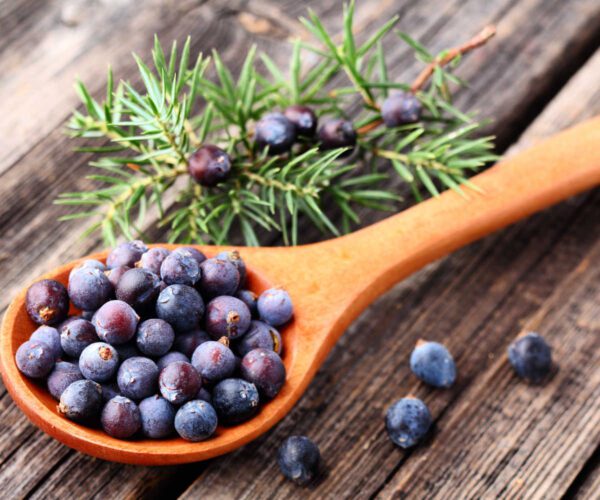
Juniper berry tea is made from the berries of the juniper tree. It offers a flavor that is both sweet and slightly tart, with pine-like undertones. Juniper berry tea is often consumed for its potential diuretic, digestive, and antioxidant benefits.
Juniper berry tea has a unique flavor and can add a refreshing twist to traditional fall tea selections, providing a different yet seasonally appropriate option. Its potential digestive benefits can be beneficial during a season known for hearty meals and indulgent treats.
The warming, aromatic qualities of juniper can be a comforting and refreshing choice for cooler autumn days.
Try this recipe for Juniper Berry Tea.
10. Pine Needle Tea

Pine needle tea is made from the fresh or dried needles of certain pine tree species. It has a woodsy, slightly resinous flavor and is rich in vitamin C and other antioxidants.
The tea is often consumed for its potential immune-boosting and anti-inflammatory properties.
Pine needle tea is high in vitamin C and can help bolster the immune system, which is particularly beneficial as cold and flu season approaches.
The woodsy aroma and flavor of pine needle tea complement the natural changes in the environment during the fall season.
Its unique flavor also offers a refreshing alternative to the more traditional fall teas, adding variety to your autumn tea selection.
If you like the flavor and aroma of pine, check out this recipe for pine needle syrup, which can be used to add a pine flavor to drinks and dishes.
Pine Needle Tea Recipe
11. Maple Pecan Black Tea
This is a unique tea that combines the flavors of maple, pecan, and cinnamon with black tea. Delicious, sweet, nutty, and spicy. Customize it with orange, vanilla, or more spices to make this a truly unique fall tea.
Maple Pecan Black Tea
12. Blueberry Tea

Blueberries are typically ripest in late summer and early fall. This delicious berry tea is packed with antioxidants and is delicious hot or cold. You can freeze the berries for use all winter or purchase them as needed.
Fresh Blueberry Tea
These