
Elderflower tea is an herbal infusion made from the flowers of the elderberry plant (Sambucus nigra). It has been used for centuries in traditional medicine and is known for its potential health benefits. Elderflowers are high in antioxidants and vitamin C and are said to have anti-inflammatory properties.
Growing up I often heard people talk about elderflower tea during cold and flu season to treat sore throats and coughs but really didn’t pay much attention. Later in life, I was reacquainted with elderflowers while researching herbal teas to help treat my Parkinson’s symptoms. I discovered a delicious, light-tasting, fresh tea that had many potential health benefits.

**This page may contain affiliate links to products I have used or recommend. If you purchase something from this page, I may receive a small percentage of the sale at no extra cost to you. For more information, click here.**
What Are Elderflowers?
Elderberry bushes grow in Europe, Asia, Africa, and North America. They grow on small trees or shrubs and can grow up to 10 feet in height.
The elder flowers are small, white, and edible. They typically bloom in spring and early summer, giving way to small tart berries in late summer and early fall.

Where to Find Elderflowers for Tea
Elderberry bushes are common in forests and fields in North America. You can forage flowers from wild elderberry bushes or your own backyard if you have one growing there.
There are several plants that resemble elderberry and may not be safe to ingest so if you are not an experienced forager it is a good idea to research the plant thoroughly first or enlist the help of an experienced forager or herbalist.
The fresh flowers of the elderberry plant make a delicious tea but if you don’t have an elderberry bush close by or don’t want to forage your own, the tea can be made from dried elderflowers. You can purchase the dried elderflowers at health food stores or online.
The berries of the elderberry plant can be made into a tea as well but they are slightly more tart and have a stronger flavor than the tea made from the flowers.

Potential Elderflower Tea Benefits
Elderberries and elderflowers have a long history of use in traditional medicine for a variety of ailments. Here are a few of the purported benefits of elderflower tea:
- Immune Support: Elderberry flower tea is often praised for its immune-boosting properties. It contains flavonoids and antioxidants that may help strengthen the immune system and protect against infections, particularly respiratory illnesses like the common cold and flu.
- Anti-inflammatory Effects: The tea may possess anti-inflammatory properties, which can help reduce inflammation in the body. This effect is attributed to the presence of certain bioactive compounds in elderberry flowers, such as flavonoids and phenolic acids.
- Rich in Antioxidants: Elderberry flowers are a good source of antioxidants, which can help combat oxidative stress caused by free radicals in the body. Antioxidants help protect cells from damage and contribute to overall health and well-being.
- Respiratory Health: Elderberry flower tea is often used to alleviate symptoms of respiratory conditions like cough, congestion, and sinusitis. It is believed to have expectorant properties, helping to loosen mucus and relieve respiratory discomfort, hence its popularity during cold and flu season.
- Digestive Aid: Some traditional uses of elderberry flower tea include promoting digestive health. It may help soothe digestive issues such as bloating, gas, and indigestion, although more scientific research is needed to confirm these effects.
- Relaxation and Sleep: Elderberry flower tea is often consumed for its calming properties. It is believed to have a mild sedative effect, promoting relaxation and potentially aiding in better sleep.
It is important to note that while elderberry flower tea has a long history of traditional use and anecdotal evidence supporting its benefits, scientific studies are still limited. As with any herbal remedy, it is advisable to consult with a healthcare provider before incorporating elderberry flower tea into your routine, especially if you have any underlying health conditions or are pregnant, nursing, or taking medications.

Precautions and Side Effects of Elderflower Tea
While elderflower tea is generally considered safe for most people, there are some precautions and potential side effects to be aware of.
Caution:
Use only the flowers or berries (cooked, not raw) of the elderberry plant. The stems and leaves can be toxic and will make you sick.
Allergic Reactions: Some individuals may be allergic to elderflower. If you have known allergies to plants in the Adoxaceae Family it is best to avoid elderflower tea.
Pregnancy and Breastfeeding: Pregnant or breastfeeding women should avoid elderflower tea.
Diabetes: Elderflower tea may potentially lower blood sugar levels. If you have diabetes or are taking medications to control blood sugar, monitor your levels closely when consuming elderflower tea and consult with your doctor for guidance.
Blood Pressure and Diuretic Effects: Elderflower tea may have a mild diuretic effect, which means it could increase urine production. If you have low blood pressure or are taking medications that affect blood pressure, it is advisable to monitor your blood pressure closely when consuming elderflower tea.
Gastrointestinal Upset: Some individuals may experience gastrointestinal discomfort such as nauseous, vomiting, or diarrhea, after consuming elderflower tea. If you experience any of these symptoms, discontinue use and consult a healthcare professional.
Drug Interactions: Elderflower tea may interact with certain medications. If you are taking medications, consult your health care practitioner before consuming elderflower tea.
The information provided here is not exhaustive, and individual responses to elderflower tea may vary. If you have any specific concerns or pre-existing health conditions, it is always advisable to consult with a healthcare professional before adding elderflower tea to your routine.

How to Make Elderflower Tea
To brew elderflower tea you will need dried or fresh elderflowers, water, and a teapot or infuser.
Start by boiling fresh water (filtered would be best) in a kettle or on the stove.
While the water is heating up, remove the leaves and stems from the flowers and rinse the fresh elderflowers under running water to remove any dirt or bugs.
Once the water has come to a boil, place the elderflowers in a tea infuser or teapot.
Pour the hot water over the elderflowers and let steep for about 10 minutes.
Remove the infuser or strain the tea to remove the flowers.
You can add a slice of lemon or honey to taste if desired.
Enjoy your elderflower tea hot or chilled.
Note: It is important to make sure that the elderflowers you use are safe for consumption. Only use flowers from the elder tree and avoid any other parts of the plant, as they can be toxic. If you are not sure, consult a reputable source or herbalist before making elderflower tea.
Elderflower Tea
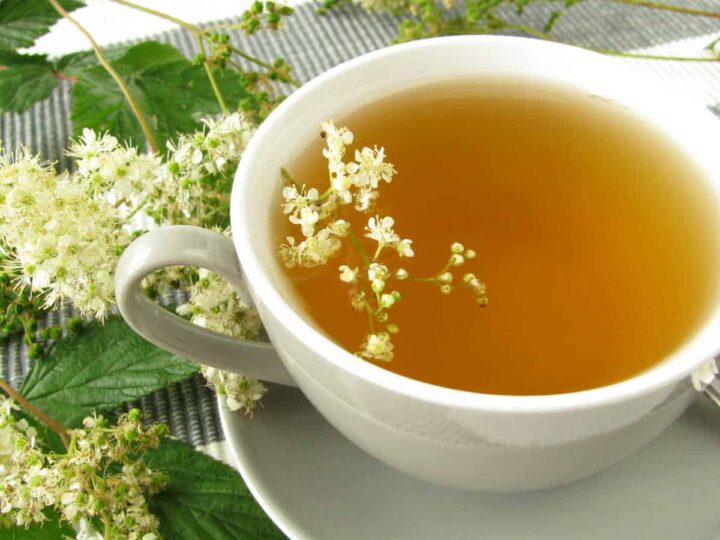
Enjoy the soothing floral notes and antioxidant rich properties of this delicious elderflower tea.
Ingredients
- 1 tablespoon dried elderflowers or 2 tablespoons of fresh flowers
- 1 cup of water
Instructions
- Boil the water in a kettle or on the stove in a pot.
- While the water is heating up, remove the leaves and stems from the flowers and rinse the fresh elderflowers under running water to remove any dirt or bugs.
- Once the water has come to a boil, place the elderflowers in a tea infuser or teapot.
- Pour the hot water over the elderflowers and let steep for about 10 minutes.
- Remove the infuser or strain the tea to remove the flowers.
- You can add a slice of lemon or honey to taste if desired.
Notes
- It is important to make sure that the elderflowers you use are safe for consumption. Only use flowers from the elder tree and avoid any other parts of the plant, as they can be toxic. If you are not sure, consult a reputable source or herbalist before making elderflower tea.
- Steep time is dependant on how strong you like your tea. The longer it steeps the strong it will be.
Nutrition Information
Yield 1 Serving Size 1 cupAmount Per Serving Calories 0Total Fat 0gSaturated Fat 0gTrans Fat 0gUnsaturated Fat 0gCholesterol 0mgSodium 9mgCarbohydrates 0gFiber 0gSugar 0gProtein 0g