
If you grow fresh herbs during the summer, late summer and fall usually bring the same problem: more herbs than you can use before the cold weather arrives.
Freezing fresh herbs is one of the easiest ways to preserve that summer harvest for winter. It takes very little time, you don’t need any special equipment, and frozen herbs are convenient to have on hand for soups, stews, sauces, casseroles, and other winter meals.
Even if you don’t have an herb garden, this method works for half-used bunches of parsley, cilantro, or other fresh herbs sitting in the refrigerator. Instead of eventually tossing them in the compost, freeze them for another meal.
Here are several easy ways to freeze fresh herbs, along with which herbs freeze best and how to use them later.
Can You Freeze Fresh Herbs?
Yes. Most fresh herbs can be frozen, although their texture will change after freezing and thawing.
That means frozen herbs generally aren’t a good substitute for fresh herbs when appearance and texture matter, such as in salads or as a fresh garnish.
For cooked dishes, however, they’re very useful.
Frozen herbs can be added directly to:
- Soups
- Stews
- Sauces
- Pasta dishes
- Casseroles
- Homemade stocks and broths
- Roasted vegetables
- Rice dishes
- Meat and poultry dishes
- Slow cooker recipes
There’s usually no need to thaw them first.
The Best Herbs to Freeze
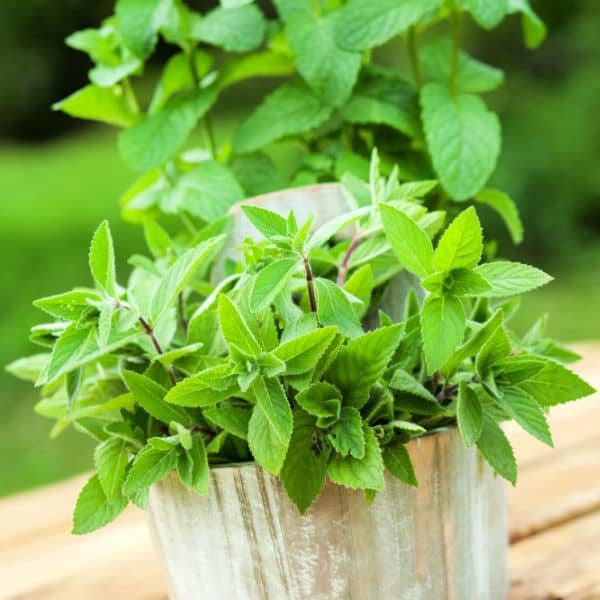
Many common garden herbs freeze very well, including:
- Parsley
- Basil
- Chives
- Cilantro
- Dill
- Mint
- Oregano
- Sage
- Thyme
- Rosemary
- Tarragon
Soft herbs such as basil, parsley, cilantro, and dill don’t last very long after they’re picked, so freezing what you don’t use up immediately is a good idea.
Woody herbs such as rosemary, thyme, oregano, and sage can also be frozen, although these herbs are also excellent for drying.
Preparing Fresh Herbs for Freezing
Try to harvest garden herbs when they are fresh and healthy. Remove any yellow, brown, damaged, or diseased leaves.
Wash the herbs gently under cool water to remove dirt and insects.
The most important part comes next: dry them thoroughly.
A salad spinner works well for removing most of the water. You can then spread the herbs on a clean kitchen towel or paper towel and allow them to finish air-drying.
Excess water can turn into ice crystals in the freezer, so starting with reasonably dry herbs will give you better results.
Once they’re clean and dry, choose one of the following freezing methods.
Method 1: Freeze Whole Herb Leaves
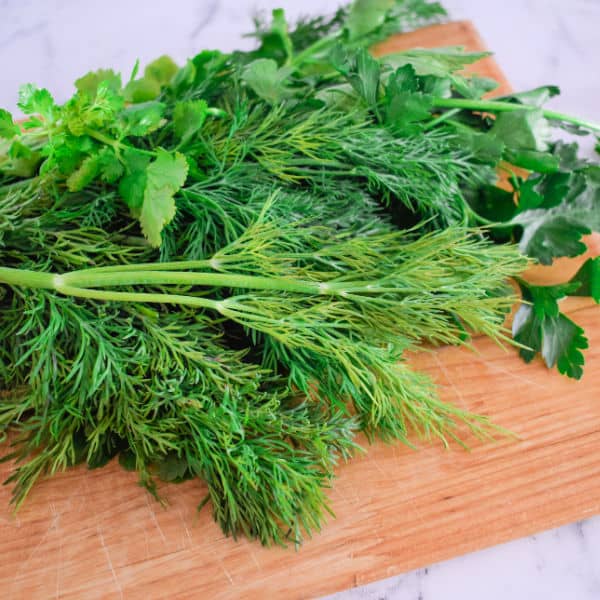
This is probably the simplest way to freeze herbs.
Remove the leaves from the stems if necessary and spread them in a single layer on a parchment-lined baking sheet.
Place the baking sheet in the freezer until the herbs are frozen, usually an hour or two.
Transfer the frozen herbs to a freezer bag or freezer-safe container. Remove as much air as possible before sealing.
Label the container with the name of the herb and the date.
Freezing the herbs individually before putting them into a bag helps prevent them from freezing into one large clump. You can then reach into the bag and take out just what you need.
This method works well for herbs such as:
- Basil
- Mint
- Sage
- Parsley
- Dill
Method 2: Chop and Freeze Fresh Herbs
If you usually use your herbs chopped, you can do that work before freezing them.
Wash and thoroughly dry the herbs, remove any tough stems, and chop the leaves to the size you normally use for cooking.
Spread the chopped herbs on a parchment-lined baking sheet and freeze them briefly before transferring them to a labelled freezer container.
Alternatively, place small portions directly into freezer bags. Flatten the bags before freezing so they take up less room.
When you’re cooking, just break off or scoop out the amount you need.
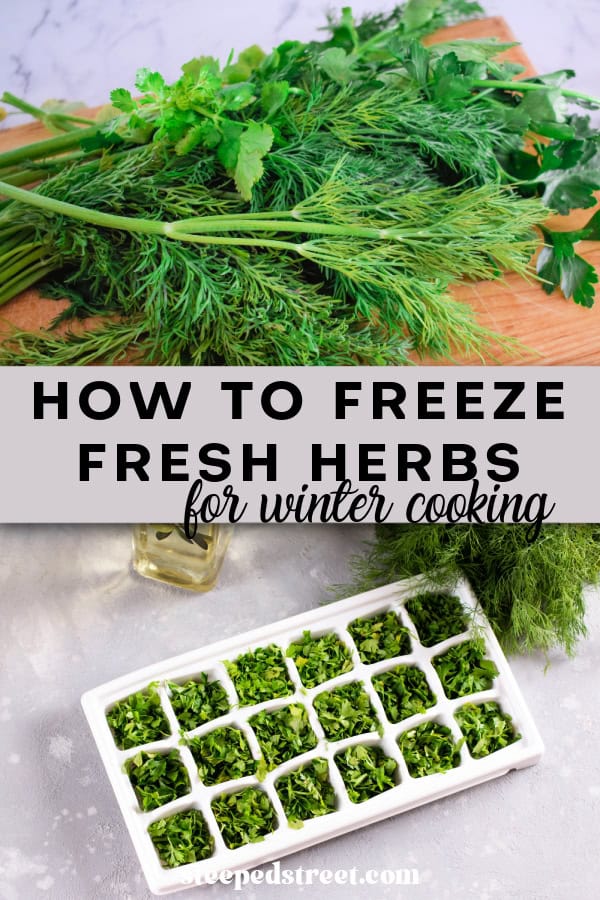
Method 3: Freeze Herbs in Olive Oil
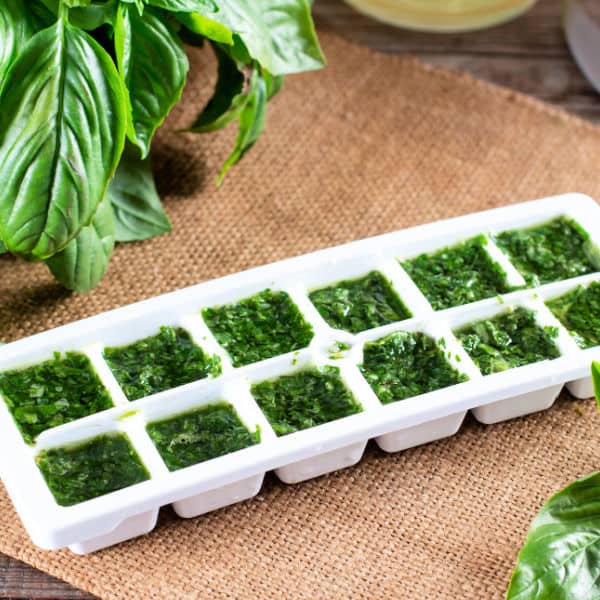
One of my favourite ways to preserve herbs for winter cooking is to freeze them in olive oil.
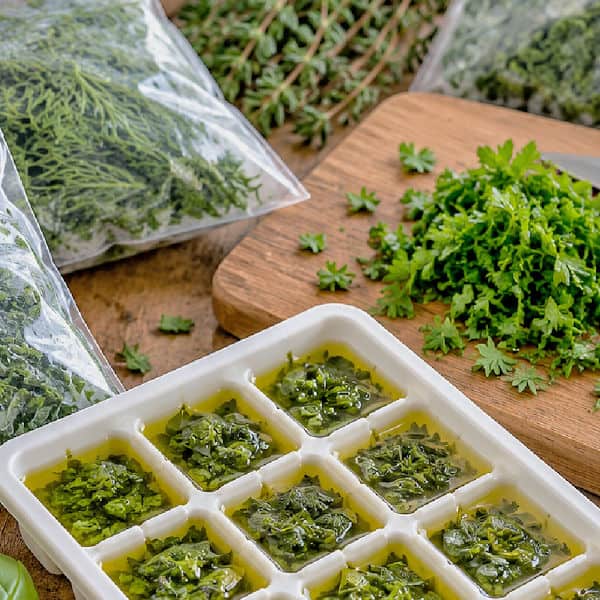
Chop the herbs and loosely fill the compartments of an ice cube tray. Pour olive oil over the herbs until they are covered, leaving a little room at the top for expansion.
Freeze until solid.
Once frozen, remove the herb cubes from the tray and transfer them to a labelled freezer bag or airtight freezer container.
These little herb cubes are very convenient for starting soups, sauces, stews, and other cooked dishes.
Place a cube directly into a warm pan or pot and let it melt before adding the rest of your ingredients.
This method works well with:
- Basil
- Rosemary
- Thyme
- Oregano
- Sage
You can also combine herbs you frequently use together.
For example, try freezing rosemary, thyme, and sage together for winter roasts and stews.
Method 4: Freeze Herbs in Water or Broth
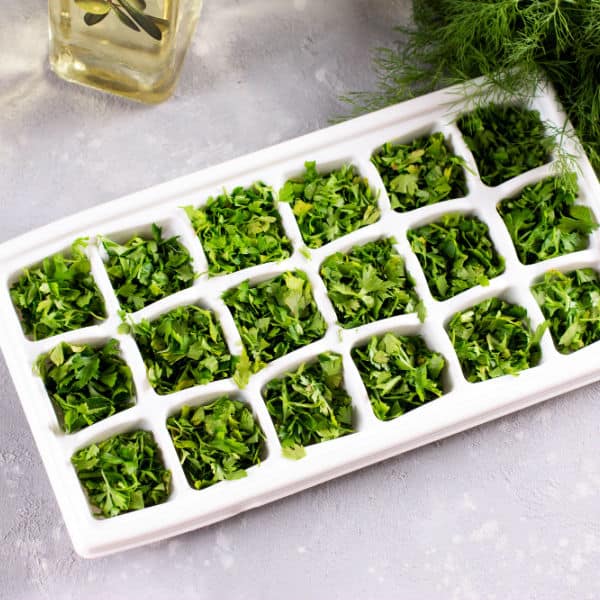
You don’t have to use oil.
Chopped herbs can also be frozen in water or broth using an ice cube tray.
Place the chopped herbs into each compartment, add enough water or broth to cover them, and freeze.
Once they’re solid, transfer the cubes to a freezer bag or freezer-safe container.
Herbs frozen in water or broth are great for soups, stews, sauces, and slow cooker meals.
If you use broth, remember that it may contain salt. You may need to adjust the seasoning in your final dish accordingly.
Make Your Own Herb Blends
If there are combinations of herbs you use regularly, freezing your own herb blends can make winter meal preparation even easier.
You might make combinations such as:
Italian-inspired herb blend
- Basil
- Oregano
- Parsley
- Thyme
Soup and stew blend
- Parsley
- Thyme
- Rosemary
Poultry herb blend
- Sage
- Rosemary
- Thyme
Chop the herbs together and freeze them in oil, water, or broth.
Be sure to label your containers. Herb cubes can look surprisingly similar once they’ve been in the freezer for a while!
Freeze Herbs in Recipe-Sized Portions
Another useful trick is to think about how you cook before deciding how much to freeze at once.
If you frequently add a tablespoon of parsley to soup, for example, freeze roughly that amount in each compartment of your ice cube tray.
You can do the same with your favourite herb combinations.
Instead of measuring herbs every time you cook, you can simply take a cube from the freezer and add it to the pot.
What About Freezing Fresh Herbs in Butter?
Herb butter is another simple way to preserve a small herb harvest.
Finely chop your herbs and mix them into softened butter. You can use a single herb or make combinations such as parsley and chives or rosemary and thyme.
Shape the butter into a log using parchment paper, refrigerate until firm, and then freeze.
You can also portion herb butter into small freezer-safe containers or ice cube trays.
Slice off a small amount whenever you need it for vegetables, potatoes, bread, pasta, or other cooked dishes.
Do Frozen Herbs Need to Be Thawed?
Usually not.
For most cooked recipes, take the herbs directly from the freezer and add them to the dish.
If you’ve frozen herbs in oil, water, or broth, drop the frozen cube directly into your pot or pan.
Remember that frozen herbs will be soft once thawed. They should be treated as cooking herbs rather than fresh garnishes.
How Long Do Frozen Herbs Last?
For the best flavour and quality, try to use your frozen herbs within about six months, although properly frozen herbs may remain usable longer.
Always label your containers with both the herb and the date.
Rotating your supply also makes it easier to use up last year’s herbs before the next garden harvest arrives.
Freezing Herbs vs. Drying Herbs
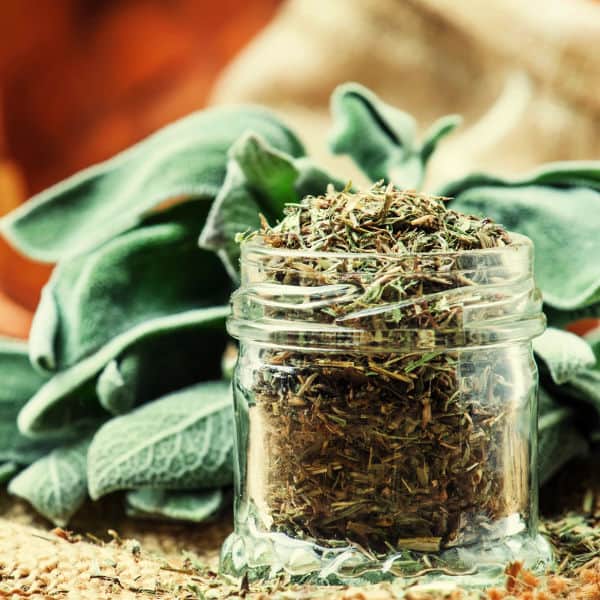
You don’t necessarily have to choose one method.
I like the idea of preserving herbs according to how they’ll eventually be used.
Woody herbs such as rosemary, oregano, sage, and thyme dry well. Tender herbs such as basil, parsley, chives, and cilantro work well when frozen.
If you have a large harvest, try doing some of each.
Dry part of your herbs for the spice cupboard and freeze the rest for dishes where you want something closer to the flavour of fresh herbs.
A Simple Way to Make the Most of Your Herb Garden
Growing your own food doesn’t have to mean having acres of land or spending weeks preserving a huge harvest.
Sometimes it’s something as simple as growing a few pots of herbs on the patio and freezing what you can’t use before winter.
A handful of herbs might not seem like much in August, but when you’re making a pot of soup in January, having your own parsley, thyme, or rosemary waiting in the freezer feels surprisingly satisfying.
It also saves money, reduces food waste, and lets you enjoy a little bit of your summer garden long after the growing season has ended.
So before you let the last of your herbs disappear with the first frost, gather what you can, freeze a few batches, and tuck them away for winter cooking.
Frequently Asked Questions
Can you freeze fresh herbs without blanching them?
Yes. Most culinary herbs can be frozen without blanching. Wash and dry them thoroughly before freezing.
Can I freeze herbs straight from the garden?
Yes, but it’s a good idea to inspect and wash them first to remove soil, insects, and damaged leaves. Allow them to dry thoroughly before freezing.
Can you freeze herbs in ice cube trays?
Yes. Ice cube trays are one of the easiest ways to portion herbs. You can freeze chopped herbs in olive oil, water, or broth depending on how you plan to use them.
Are frozen herbs as good as fresh herbs?
Frozen herbs won’t have the same texture as freshly picked herbs, so they aren’t ideal for garnishing. They are very convenient for soups, stews, sauces, and other cooked dishes.
Should I freeze or dry fresh herbs?
It depends on the herb and how you plan to use it. Rosemary, thyme, oregano, and sage are excellent dried, while tender herbs such as basil, parsley, chives, and cilantro are useful frozen. If you have plenty, you can preserve some using each method.