
This delicious hibiscus and rosehip
What are Rose Hips?
Rose hips are the small, round, and typically red or orange fruit that forms on rose plants after the flowers have been pollinated and the petals have fallen off.
They are the seed pods of the rose plant and are found below the petals. Rose hips can vary in size, shape, and color depending on the species of the rose plant.
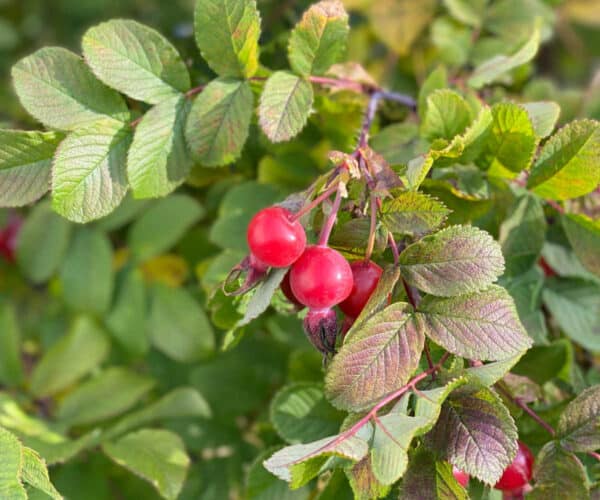
Rose hips are nutrient-dense, containing various vitamins, minerals, and antioxidants. They are particularly rich in:
Vitamin C: Highly concentrated, often more so than in many citrus fruits.
Flavonoids: Natural compounds that have antioxidant properties.
Vitamins A and E: Known for their role in skin health and vision.
Fatty Acids: Such as linoleic acid, which has anti-inflammatory properties.
Precautions
While generally considered safe, it is advisable to consult with a healthcare provider if you are pregnant, breastfeeding, or taking any medication, as rose hips can interact with certain drugs.
Hibiscus Facts
Hibiscus refers to a genus of flowering plants in the mallow family, Malvaceae. The plant is native to warm-temperate, subtropical, and tropical regions.
While there are several hundred species of hibiscus, the most commonly used for culinary and medicinal purposes is Hibiscus sabdariffa, also known as Roselle.
The plant produces large, colorful flowers, but the calyces—the fleshy parts enclosing the flower’s seed pod—are typically used for teas and other preparations.
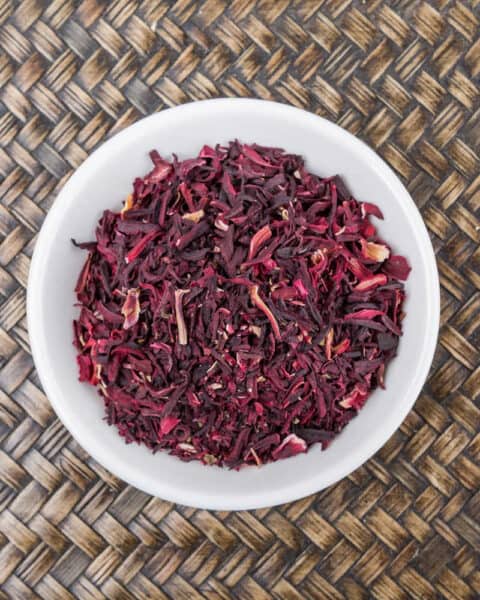
Hibiscus is rich in a variety of nutrients and bioactive compounds:
Antioxidants: It’s a good source of bioflavonoids, which help combat oxidative stress.
Vitamins: Contains moderate amounts of Vitamin C and minor amounts of vitamins like A and B1.
Minerals: Offers minerals like calcium, iron, and magnesium in smaller quantities.
Precautions
Although hibiscus is generally considered safe for most people, it can interact with some medications and may not be suitable for those with certain health conditions:
Pregnancy and Breastfeeding: Not recommended due to lack of sufficient data.
Medication Interactions: These may interact with antihypertensive drugs or those affecting the liver.
It’s always best to consult with a healthcare provider before incorporating hibiscus into your diet, particularly if you’re pregnant, nursing, or on medication.
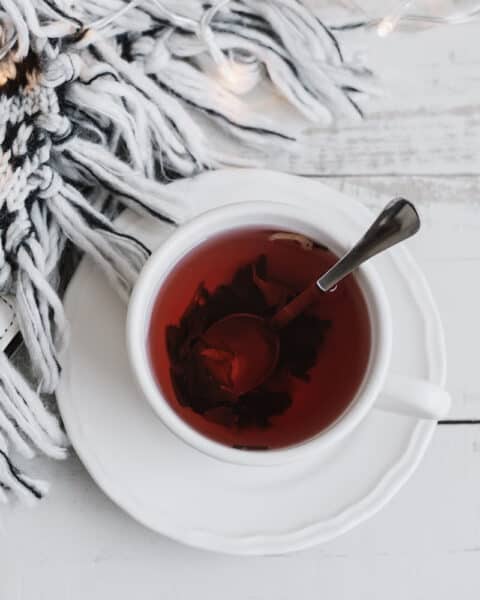
How to Make Hibiscus and Rose Hip Tea
Ingredients:
2 tablespoons of dried hibiscus flowers
1 tablespoon of dried rose hips. You can also use the petals of the rose or rose buds if you prefer, but you will get more vitamin C from the hips.
4 cups of water
Optional: Sweeteners like honey, stevia, or sugar
Steps:
1. Add 4 cups of cold water to a pot and bring to a rolling boil. Filtered water will give you the best flavor.
2. Add hibiscus petals and rose hip berries to a teapot.
3. Pour boiling water over the dried ingredients.
4. Cover and steep for 5-7 minutes.
5. Strain the tea into cups.
6. Sweeten to taste, if desired.
Benefits of Rose Hip and Hibiscus Tea
Hibiscus
– Rich in Antioxidants: Hibiscus is packed with bioflavonoids, known for combating oxidative stress in the body.
– Blood Pressure Regulation: Some studies suggest that hibiscus may help lower blood pressure.
– Supports Digestive Health: The mild diuretic properties can aid digestion and help detoxify.
Rosehip
– Vitamin C Boost: Rosehips are one of the richest plant sources of Vitamin C, essential for collagen production and immune function.
– Anti-Inflammatory: Its anti-inflammatory properties make it ideal for arthritis and joint pain relief.
– Heart Health: Rich in polyphenols and galactolipids, rosehips may contribute to cardiovascular health.

Tea Variations
- Spiced Hibiscus-Rosehip Tea: Add a cinnamon stick or a few cloves to bring a spicy note.
- Citrus Twist: Squeeze in lemon or orange juice for added tang.
- Iced Hibiscus and Rosehip Tea: Allow the tea to come to room temperature. Chill for several hours and serve over ice, garnished with mint leaves, for a refreshing summer drink.
- Rosehip Syrup: If you love rosehip, you may like this rosehip syrup recipe. Add the syrup to tea or cocktails, use it on pancakes, waffles, or ice cream, or make a cooking glaze for pork or beef.
What to Serve With Hibiscus and Rosehip Tea
Fruit Platter: The tartness pairs well with sweet fruits like apple slices, grapes, or melons.
Light Pastries: Croissants or scones can balance the tangy flavor of the tea.
Cheese Board: A selection of mild cheeses can complement the tea’s floral notes.
A cup of hibiscus and rosehip tea is a healthy, refreshing, and pretty drink to indulge in at any time. Its lovely red color goes especially well with the Christmas holiday season.
Hibiscus and Rose Hip Tea
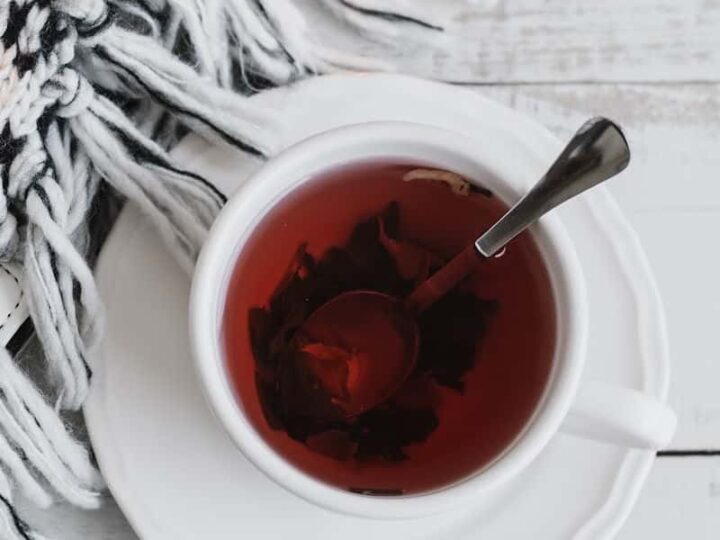
Delicious hibiscus and rose hip tea. This herbal tea is antioxidant-rich and delicious hot or iced.
Ingredients
- 2 tablespoons of dried hibiscus flowers
- 1 tablespoon of dried rose hips. You can also use the petals of the rose or rose buds if you prefer, but you will get more vitamin C from the hips.
- 4 cups of water
- Optional: Sweeteners like honey, stevia, or sugar
Instructions
- Add 4 cups of cold water to a pot and bring to a rolling boil. Filtered water will give you the best flavor.
- Add hibiscus petals and rose hip berries to a teapot.
- Pour boiling water over the dried ingredients.
- Cover and steep for 5-7 minutes.
- Strain the tea into cups.
- Sweeten to taste, if desired.
Nutrition Information
Yield 4 Serving Size 1Amount Per Serving Calories 86Total Fat 0gSaturated Fat 0gTrans Fat 0gUnsaturated Fat 0gCholesterol 0mgSodium 14mgCarbohydrates 9gFiber 0gSugar 8gProtein 0g