
High blood pressure, or hypertension, is a widespread health concern that can increase the risk of heart disease, stroke, and other serious conditions. While medication and lifestyle changes are often necessary, many people also turn to natural remedies to support better heart health. One gentle, effective approach? Enjoying certain herbal teas.
Several types of tea contain compounds that may help lower blood pressure naturally. Here are some of the most studied and widely recommended options.

1. Hibiscus Tea
Hibiscus tea is one of the most well-known herbal remedies for blood pressure. Rich in antioxidants called anthocyanins and other plant compounds, hibiscus has been shown in multiple studies to significantly lower both systolic and diastolic blood pressure.
- How it helps: Hibiscus may help relax blood vessels and act as a natural diuretic, helping the body eliminate excess salt and fluids.
- Tip: Drink 1–2 cups daily for best results, preferably unsweetened or lightly sweetened with natural alternatives like stevia or a small amount of honey.
Try this recipe for Hibiscus Tea.
Important: Hibiscus can interact with certain medications, such as hydrochlorothiazide (a common diuretic), so always check with your doctor if you are on prescription medication.
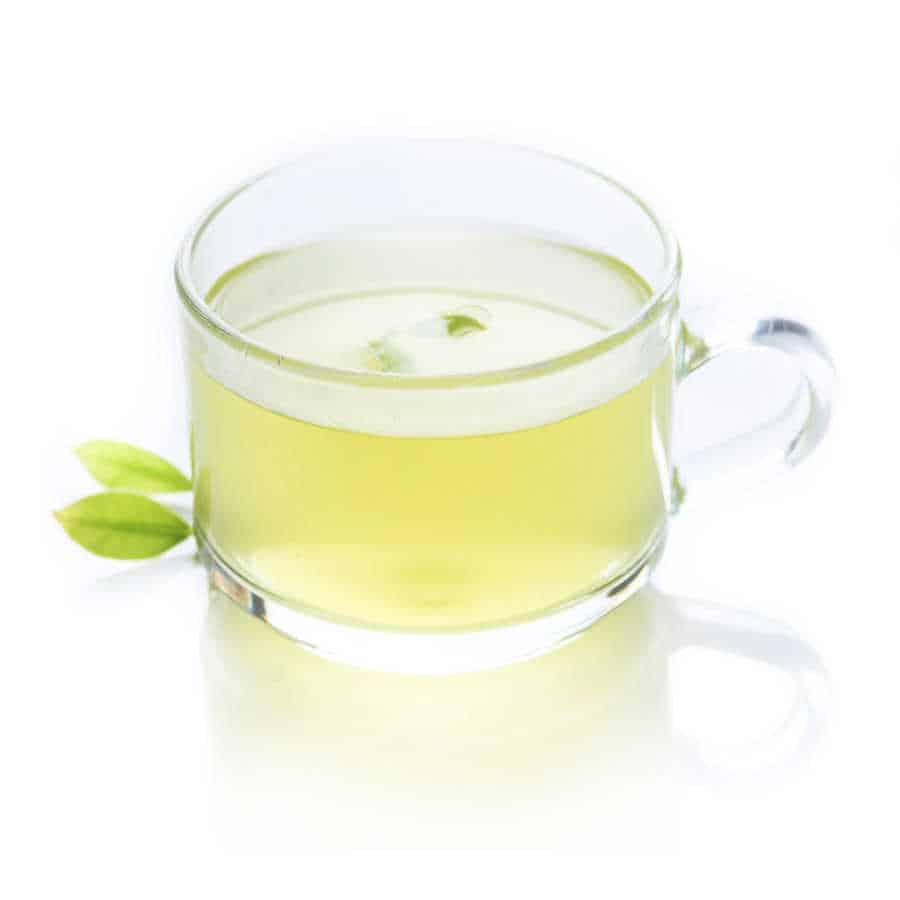
2. Green Tea
Green tea is well known for its many health benefits, including potential blood pressure support. It contains polyphenols, especially catechins, which have antioxidant and anti-inflammatory properties.
- How it helps: Green tea may help relax blood vessels, improve blood flow, and reduce inflammation, contributing to better blood pressure control.
- Tip: Aim for 2–3 cups a day. Choose high-quality, minimally processed green teas for maximum benefit.
Note: Green tea does contain caffeine, although in lower amounts than coffee. If caffeine sensitivity is an issue, opt for a decaffeinated version.

3. Rooibos Tea
Rooibos tea, a naturally caffeine-free
- How it helps: Rooibos may lower blood pressure by reducing stress hormones and oxidative stress in the body.
- Tip: Since it’s caffeine-free, rooibos can be enjoyed throughout the day, including in the evening.
Its mild, slightly sweet flavour also makes it a popular choice for those new to herbal teas.
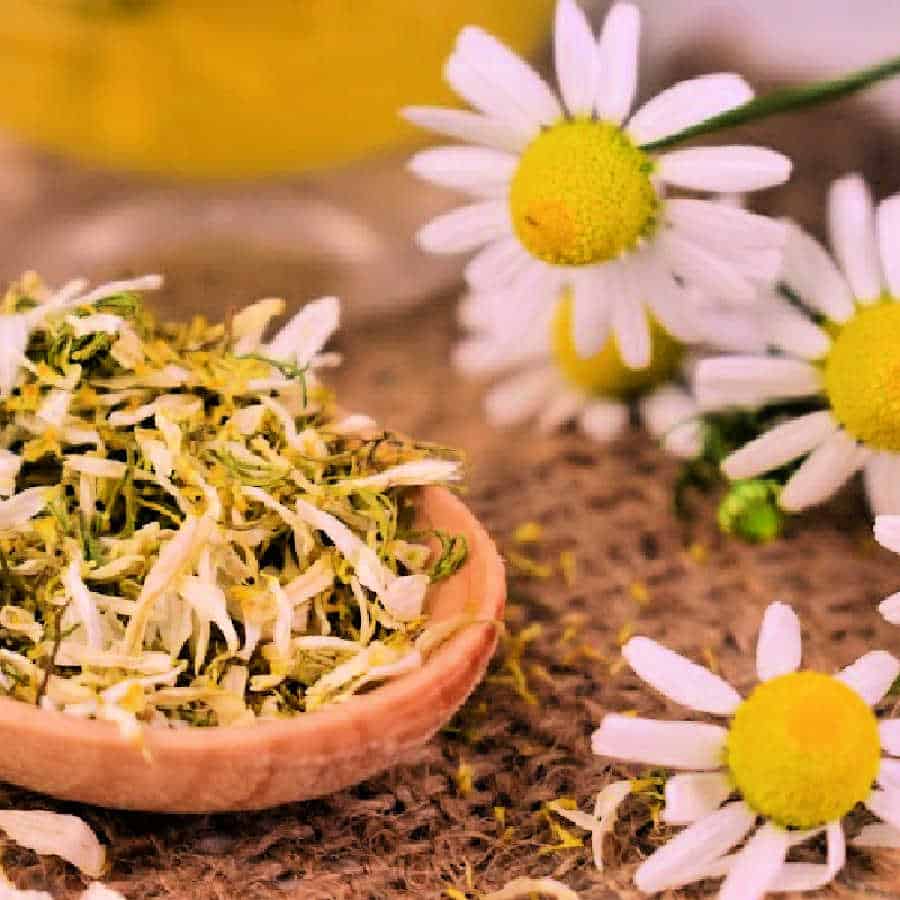
4. Chamomile Tea
Chamomile tea is typically associated with relaxation and sleep, but it may also have a mild impact on lowering blood pressure.
- How it helps: Chamomile’s calming effects may reduce stress and promote better heart health over time. Stress is a known contributor to high blood pressure.
- Tip: A cup of chamomile tea in the evening can serve a dual purpose: helping you relax and supporting cardiovascular wellness.
Try this recipe for a soothing cup of Lavender Chamomile Tea.
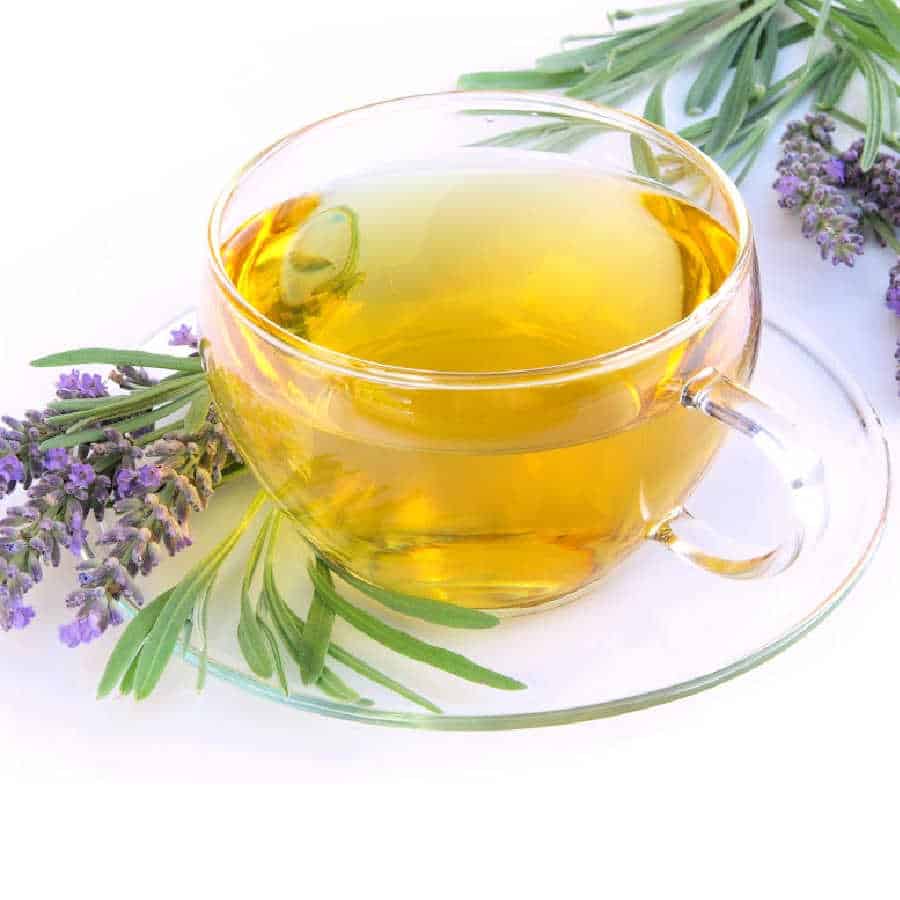
5. Lavender Tea
Less common but increasingly popular, lavender tea offers both aromatic relaxation and potential cardiovascular benefits.
- How it helps: Lavender may help reduce both stress levels and systolic blood pressure. Its calming scent alone can lower stress, and the tea adds an extra layer of benefit.
- Tip: Enjoy lavender tea on its own or blended with chamomile for a soothing bedtime drink.

6. Ginger Tea
Spicy ginger root tea is a popular digestive tonic, and it also has blood pressure benefits.
- How it helps: Ginger is thought to work by improving circulation and acting as a natural calcium channel blocker, helping to relax blood vessels.
- Tip: Adding lemon or honey can mellow the spice.
Try this recipe for Fresh Ginger Tea.
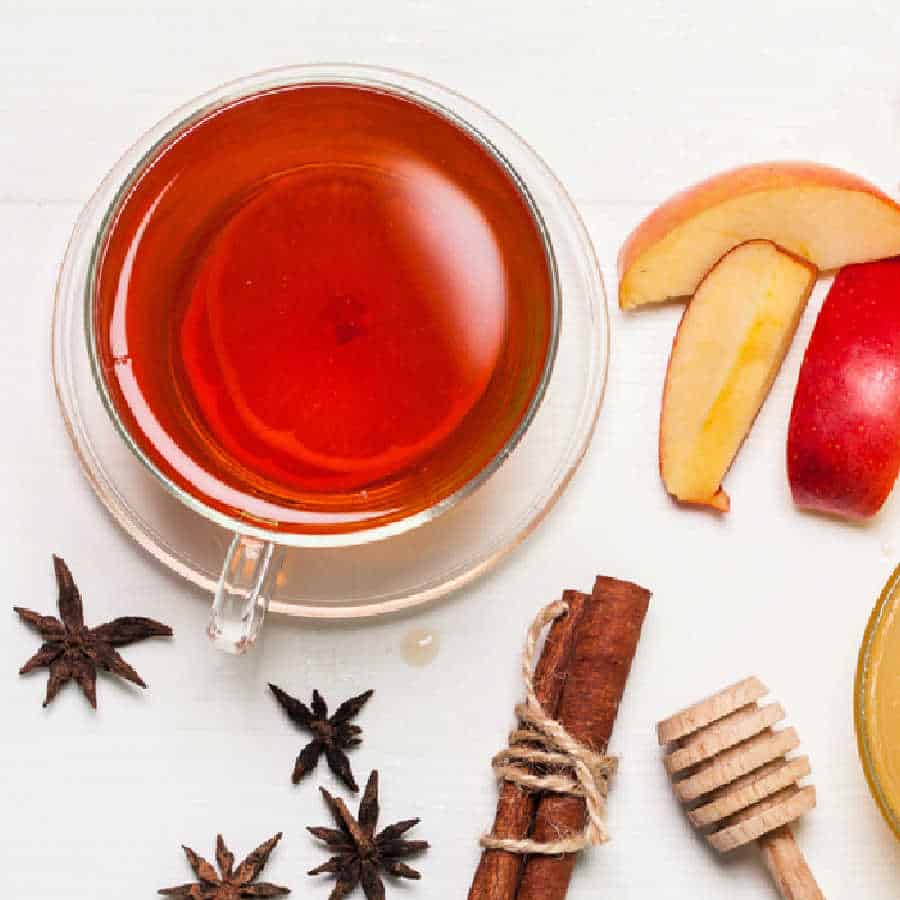
7. Cinnamon Tea
Cinnamon isn’t just a spice – you can brew cinnamon sticks into a tea that may help with hypertension.
- How it helps: Cinnamon is believed to improve blood vessel dilation and help with other cardiometabolic factors.
- Tip: Cinnamon can also help lower blood sugar, which is a bonus for many, but diabetics should watch for hypoglycemia if combining cinnamon with blood sugar-lowering medications.
Try this Cinnamon Tea recipe.
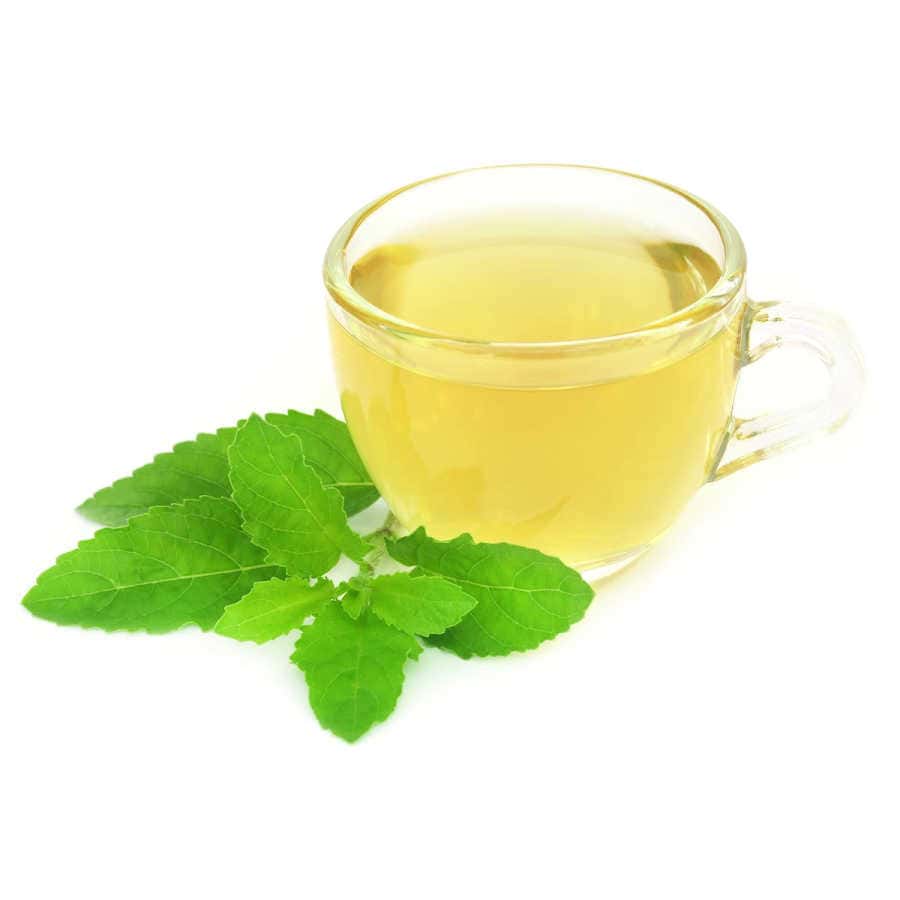
8. Holy Basil Tea
Holy basil, or Tulsi, is an aromatic herb revered in Ayurvedic medicine. Tulsi tea may aid blood pressure control in addition to reducing stress.
- How it helps: Animal studies also indicate that tulsi can relax blood vessels and improve circulation.
- Tip: Holy basil is generally safe when consumed as tea. It may have a mild blood-thinning effect and can lower blood sugar, so use caution if you take anticoagulants or diabetes medications.
Try this recipe for Holy Basil (Tulsi) Tea.
Tips for Using Tea to Support Blood Pressure
- Stay consistent: Herbal remedies typically show the best results when used regularly over time.
- Monitor caffeine: If you are sensitive to caffeine or have been advised to limit it, choose herbal (naturally caffeine-free) teas.
- Watch the sugar: Sweetened teas can counteract the benefits. Stick to unsweetened or lightly sweetened brews.
- Consult your healthcare provider: Especially if you are taking medications for blood pressure, diabetes, or other conditions.
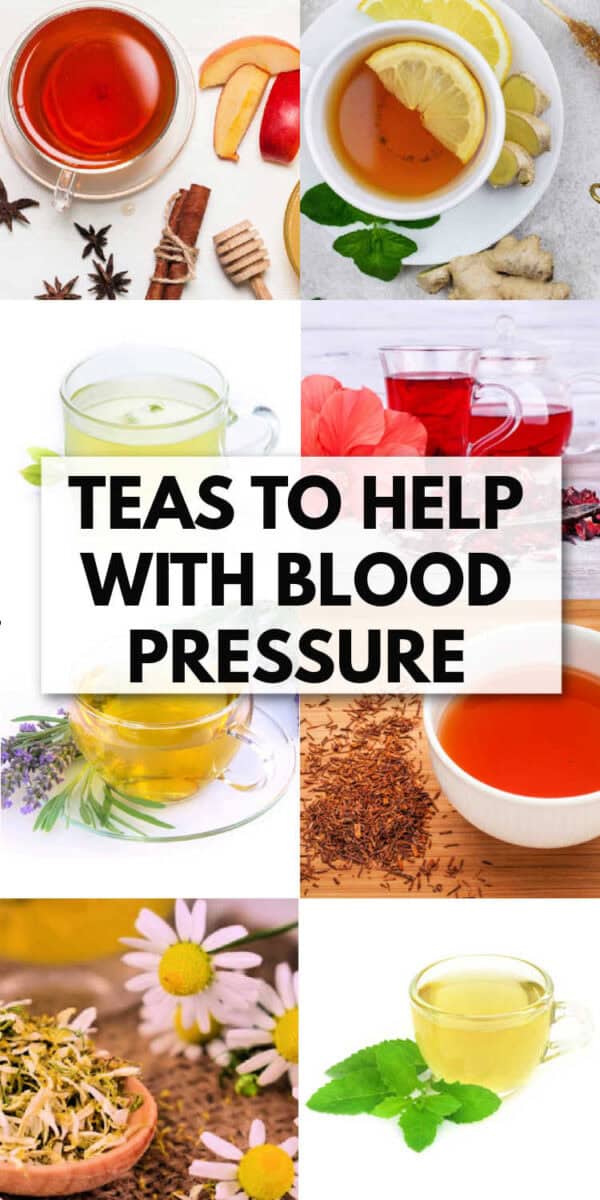
Tea can be a simple, soothing addition to your blood pressure management plan. Whether you prefer the tart brightness of hibiscus, the gentle calm of chamomile, or the antioxidant boost from green tea, there are plenty of delicious options to explore.
Always remember that herbal teas should complement (not replace) medical treatments, and it’s wise to discuss with a healthcare provider, especially if you have existing conditions or take medications. Enjoy these teas as part of a healthy lifestyle for the best results in managing your blood pressure.