
There’s nothing quite as rewarding as growing your own medicinal tea garden. Not only do these flowers add beauty to your space, but they also provide powerful health benefits. Whether you have a sprawling garden or just a few pots on a balcony, you can easily cultivate these healing flowers. Here are twelve of the best flowers to grow for a medicinal tea garden and tips on growing and harvesting them for tea.
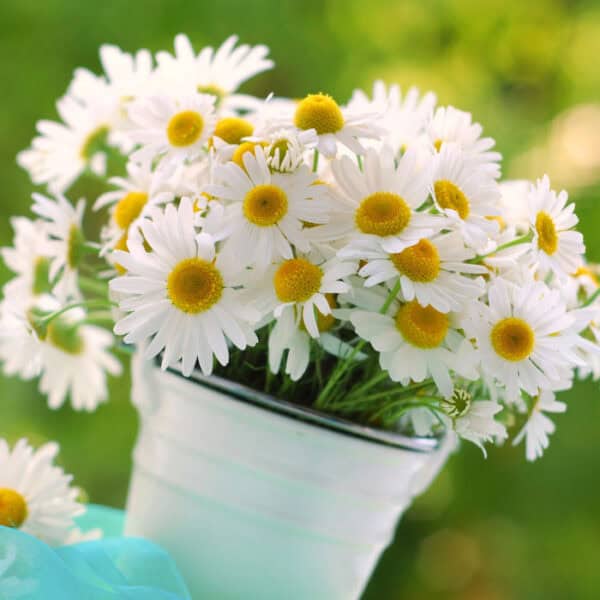
1. Chamomile (Matricaria chamomilla)
Health Benefits: Chamomile tea is well known for aiding in sleep and is a popular bedtime drink. Chamomile promotes relaxation, aids digestion, and soothes inflammation.
Growing Tips:
- Grows well in pots; use a container with good drainage.
- Prefers full sun and light, well-draining soil.
- Keep the soil slightly moist, but avoid overwatering.
Harvesting: Pick the flowers when they are fully open. Dry them in a warm, dark place and store them in an airtight container.
Try this soothing chamomile and lavender tea recipe.
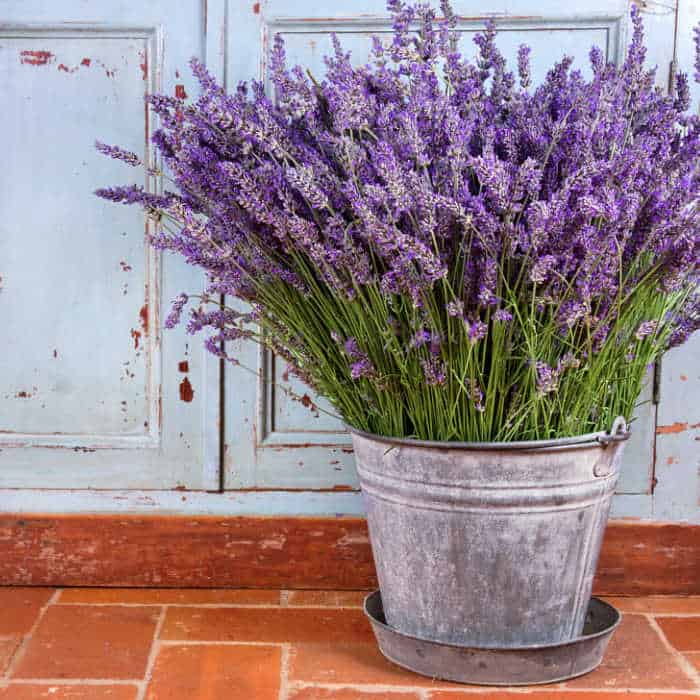
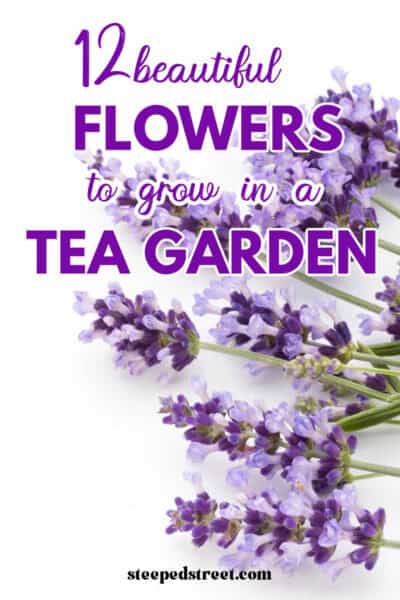
2. Lavender (Lavandula angustifolia)
Health Benefits: Dried lavender flowers make a soothing tea and have a relaxing, soothing scent. Lavender reduces stress, improves sleep, and eases digestive discomfort.
Growing Tips:
- It looks beautiful in the garden and has the added advantage of keeping pests away.
- It can be grown in pots on a deck. Best suited for pots with sandy, well-drained soil.
- Needs full sun and good air circulation.
- Avoid overwatering; let the soil dry between waterings.
Harvesting: Cut flower spikes just before they fully open and hang them upside down in a dry, dark place.
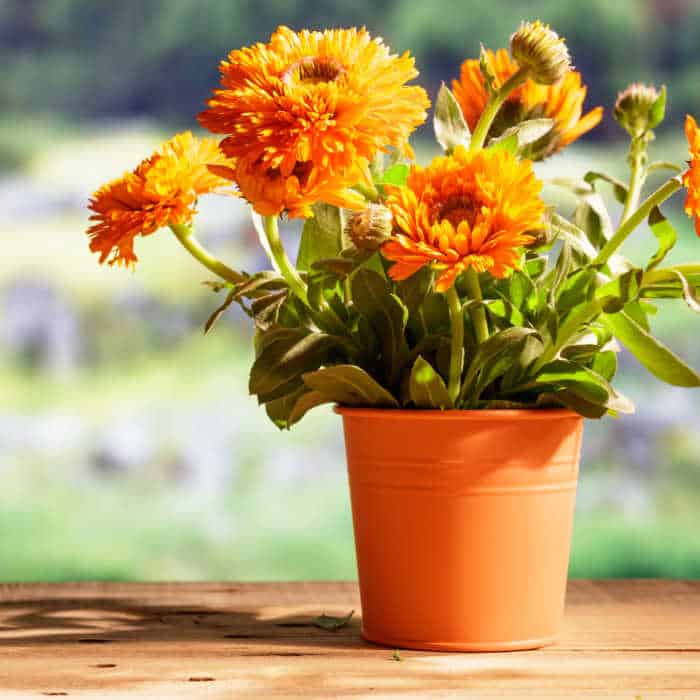
3. Calendula (Calendula officinalis)
Health Benefits: Calendula has anti-inflammatory properties, boosts immune health, and supports skin healing.
Growing Tips:
- Thrives in pots with well-draining soil and full sun.
- Water moderately; avoid soggy soil.
Harvesting: Pick the flowers regularly to encourage more blooms. Dry petals separately for tea.
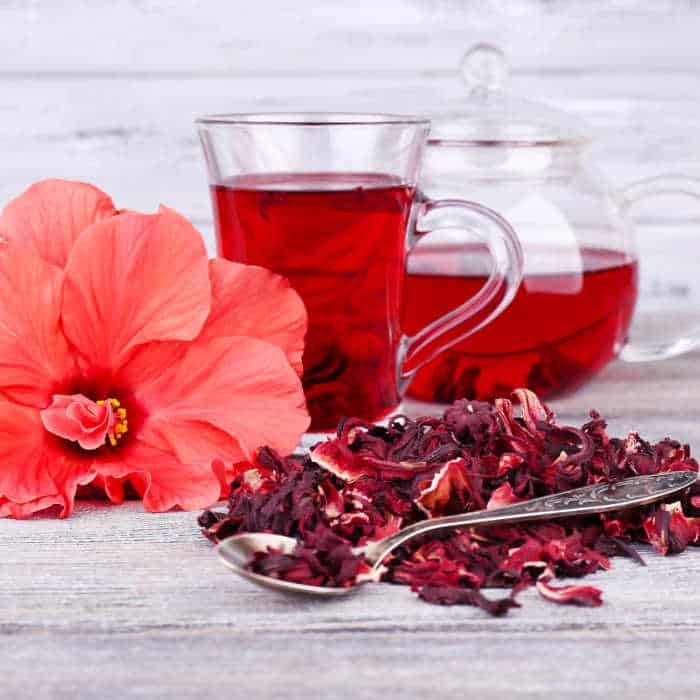
4. Hibiscus (Hibiscus sabdariffa)
Health Benefits: Hibiscus is rich in antioxidants, helps lower blood pressure, and supports heart health.
Growing Tips:
- It needs a warm climate or can be grown in pots indoors.
- Prefers full sun and well-drained soil.
- Water frequently, but do not overwater.
Harvesting: Pluck the calyx (outer part of the flower) once the petals fall off. Dry thoroughly before use.
Hibiscus and rosehip tea recipe.
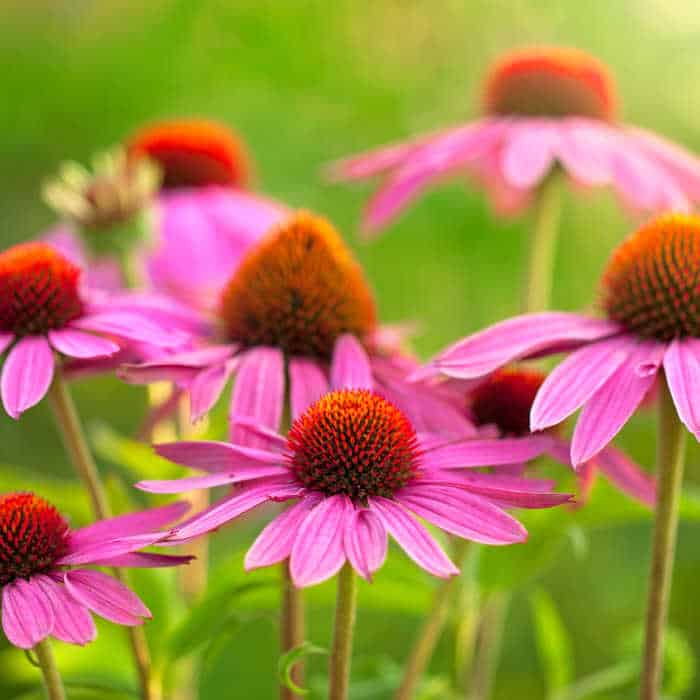
5. Echinacea (Echinacea purpurea)
Health Benefits: Popular for its cold-fighting properties, Echinacea strengthens the immune system and fights infections.
Growing Tips:
- Grows well in deep pots with rich, well-drained soil.
- Loves full sun but tolerates partial shade.
- It is drought-resistant but benefits from occasional watering.
Harvesting: Use both flowers and roots. Dry petals and roots separately before storing.
Try this recipe for echinacea tea.
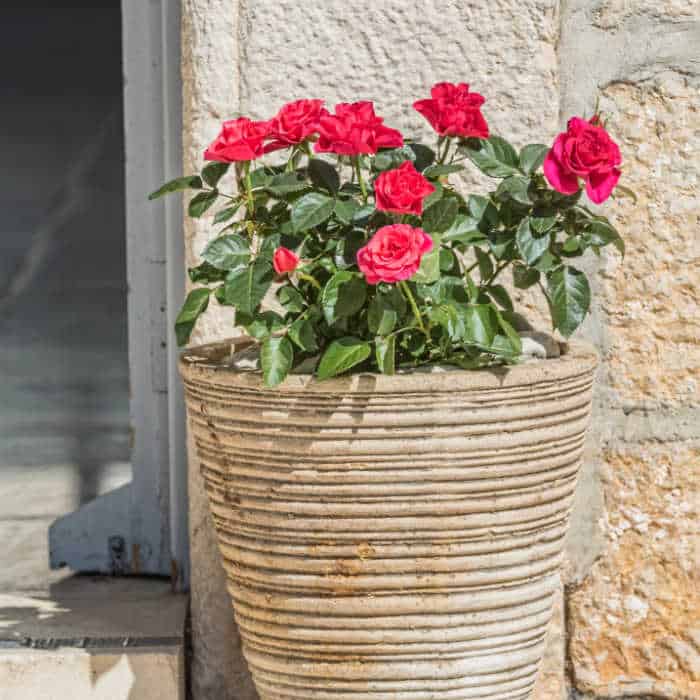
6. Rose (Rosa spp.)
Health Benefits: High in vitamin C, it promotes skin health and has calming properties.
Growing Tips:
- Ideal for containers; use a deep pot with rich soil.
- Needs at least six hours of sunlight daily.
- Keep soil moist but well-drained.
Harvesting: Pick petals when fully bloomed, avoiding any that have been sprayed with chemicals. Dry carefully for use in tea. Once the flowers die off, the rose hips can be picked and dried for rosehip tea.
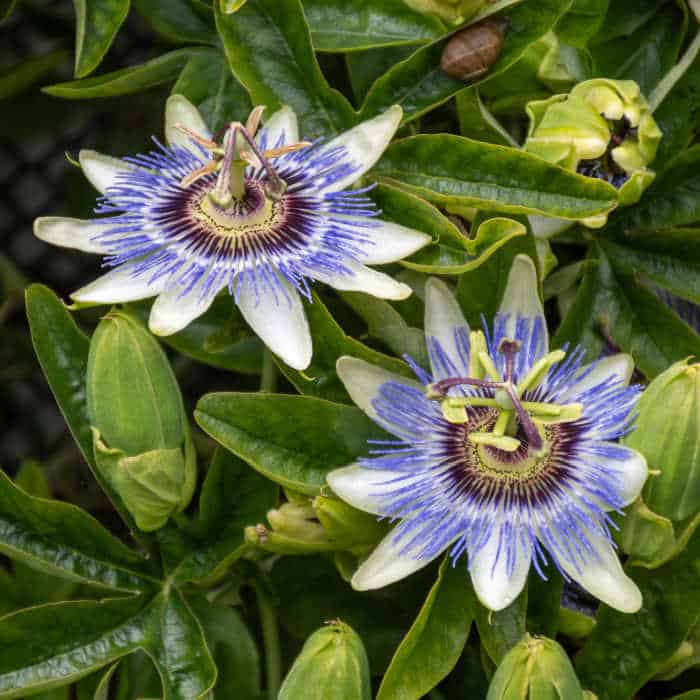
7. Passionflower (Passiflora incarnata)
Health Benefits: Passionflower helps with anxiety, promotes restful sleep, and relaxes the nervous system.
Growing Tips:
- Needs a large container with a trellis for climbing.
- Prefers full sun to partial shade.
- Keep soil consistently moist.
Harvesting: Collect the flowers when fully open. Dry them in a shaded area to preserve their properties.
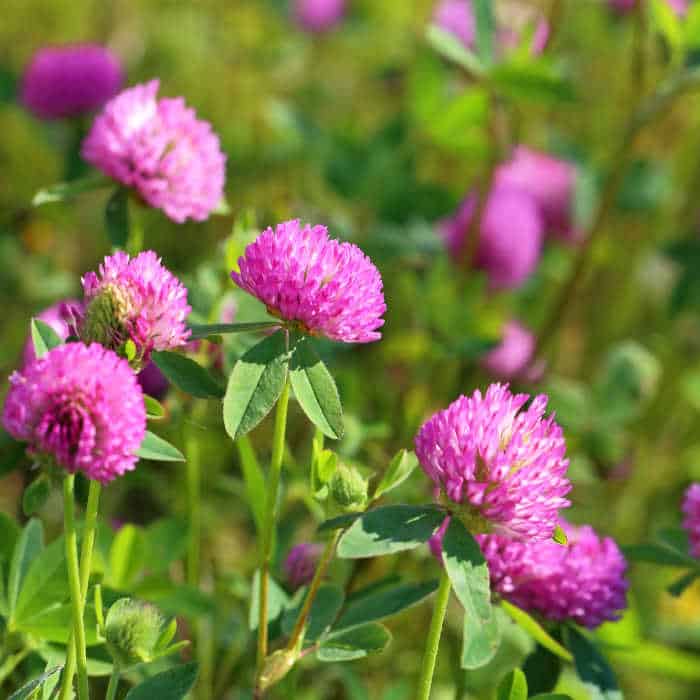
8. Red Clover (Trifolium pratense)
Health Benefits: Red Clover tea supports hormonal balance, detoxifies, and boosts circulation.
Growing Tips:
- It is most often planted as ground cover in a garden, but it is also suitable for containers with well-drained soil.
- Needs full sun for best growth.
- Water regularly, but avoid waterlogged soil.
Harvesting: Pick flower heads when they are fully bloomed. Clean and dry thoroughly before storing.
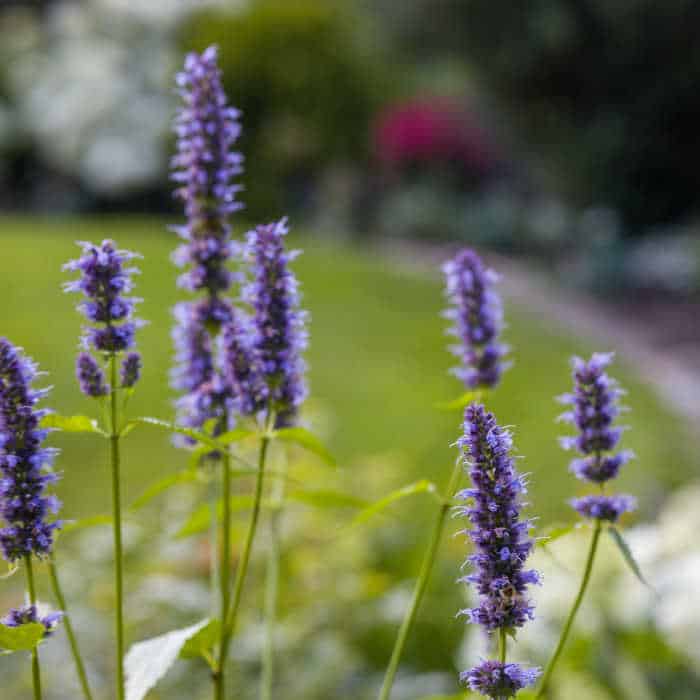
9. Anise Hyssop (Agastache foeniculum)
Health Benefits: Supports digestion, relieves congestion, and has calming effects.
Growing Tips:
- Grows well in pots with well-drained soil.
- Needs full sun and moderate watering.
Harvesting: Pick leaves and flowers before full bloom. Dry in a dark, well-ventilated area.
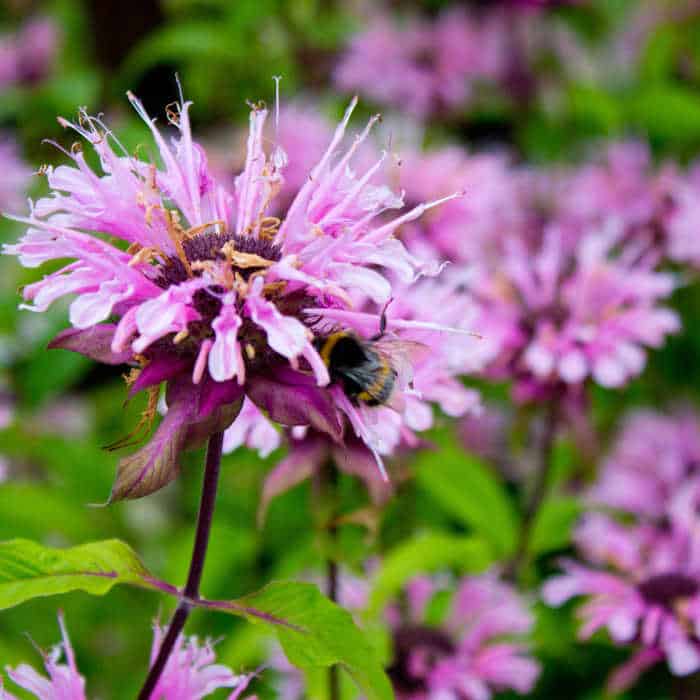
10. Bee Balm (Monarda didyma)
Health Benefits: Antimicrobial, soothes sore throats, and aids digestion.
Growing Tips:
- Thrives in pots with rich, moist soil.
- Prefers full sun but tolerates partial shade.
Harvesting: Pick flowers when fully open. Dry them in a cool, dark place.
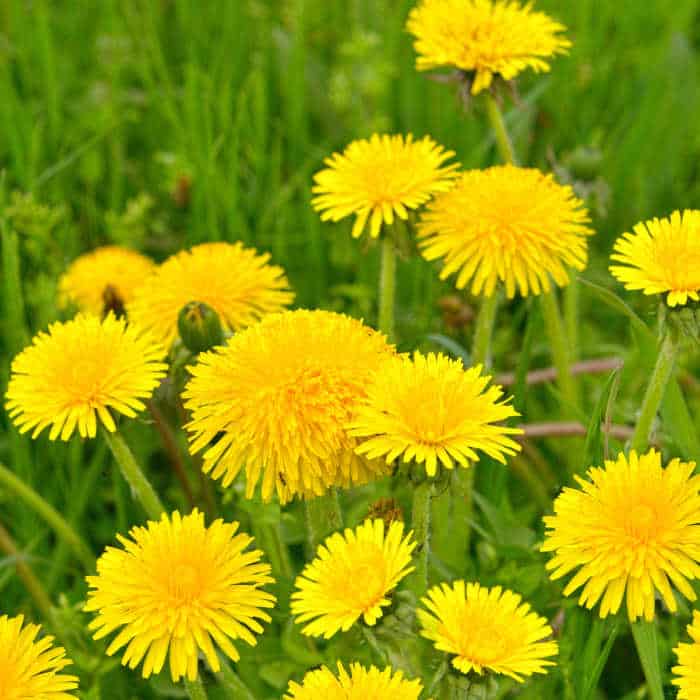
11. Dandelion (Taraxacum officinale)
Health Benefits: Dandelions are considered unwanted weeds, but the whole plant has many medicinal uses. It supports liver health, aids digestion, and is rich in antioxidants.
Growing Tips:
- Dandelion usually grows wild on lawns or grassy meadows but can be easily grown in pots. It can spread quickly.
- Prefers full sun and moist soil.
Harvesting: Use the flowers, leaves, and roots. Dry flowers and leaves separately and roast the roots for dandelion tea.
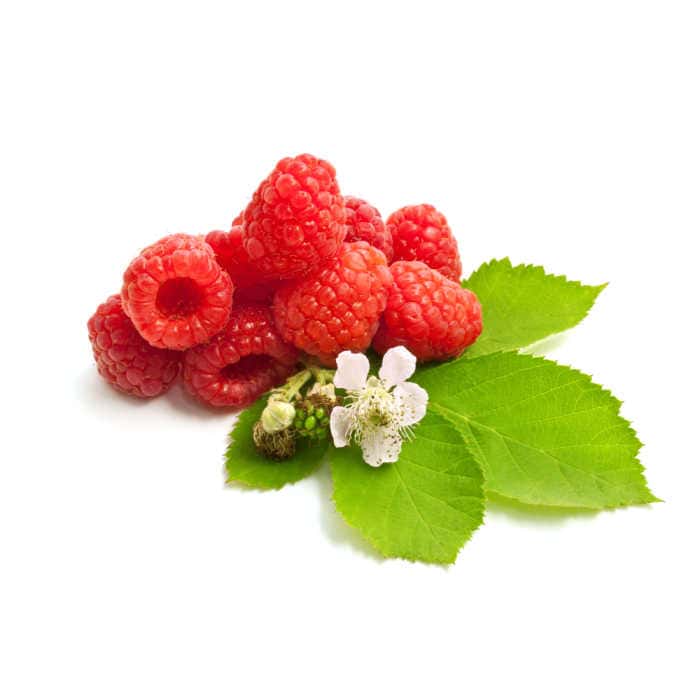
12. Raspberry (Rubus idaeus)
Health Benefits: Raspberry leaves make a delicious tea that supports women’s health, reduces inflammation, and is rich in vitamins.
Growing Tips:
- Grows well in large containers with good drainage.
- Needs full sun and regular watering.
Harvesting: Pick young leaves and dry them for tea.
A medicinal tea garden is an excellent way to enjoy nature’s healing gifts. Even if you have limited space, many of these flowers thrive in pots, making them perfect for patios, balconies, or indoor herb gardens. By carefully harvesting and drying these flowers, you can create a variety of soothing, healing teas at home.
What flowers are you most excited to grow in your tea garden? Let me know in the comments below.