
Echinacea tea is made from the Echinacea plant, also known as coneflower. This beautiful and hardy plant is native to North America and is celebrated for its vibrant purple blooms and its role in traditional medicine.
Echinacea tea, made from the plant’s flowers, leaves, and roots, has long been a staple remedy in herbal medicine, valued for its immune-boosting properties. This post will look at how to harvest Echinacea, its traditional uses, and how to brew a soothing cup of Echinacea tea.
Harvesting Echinacea
Harvesting Echinacea is straightforward, but timing is important to ensure the plant’s maximum potency. The plant’s roots, leaves, and flowers can all be used for tea, each offering unique benefits.
When to Harvest:
Flowers:
Pick the blooms when they are fully open, typically in mid to late summer.
Leaves:
Collect the leaves throughout the growing season, preferably before the plant flowers, for the most potent flavor.
Roots:
Harvest roots in the fall of the plant’s second or third year, when the plant’s energy has returned to the root system.
How to Harvest
Use clean, sharp scissors or pruning shears to clip flowers and leaves.
For roots, dig carefully around the base of the plant to avoid damage, then wash thoroughly to remove dirt.
Drying and Storing:
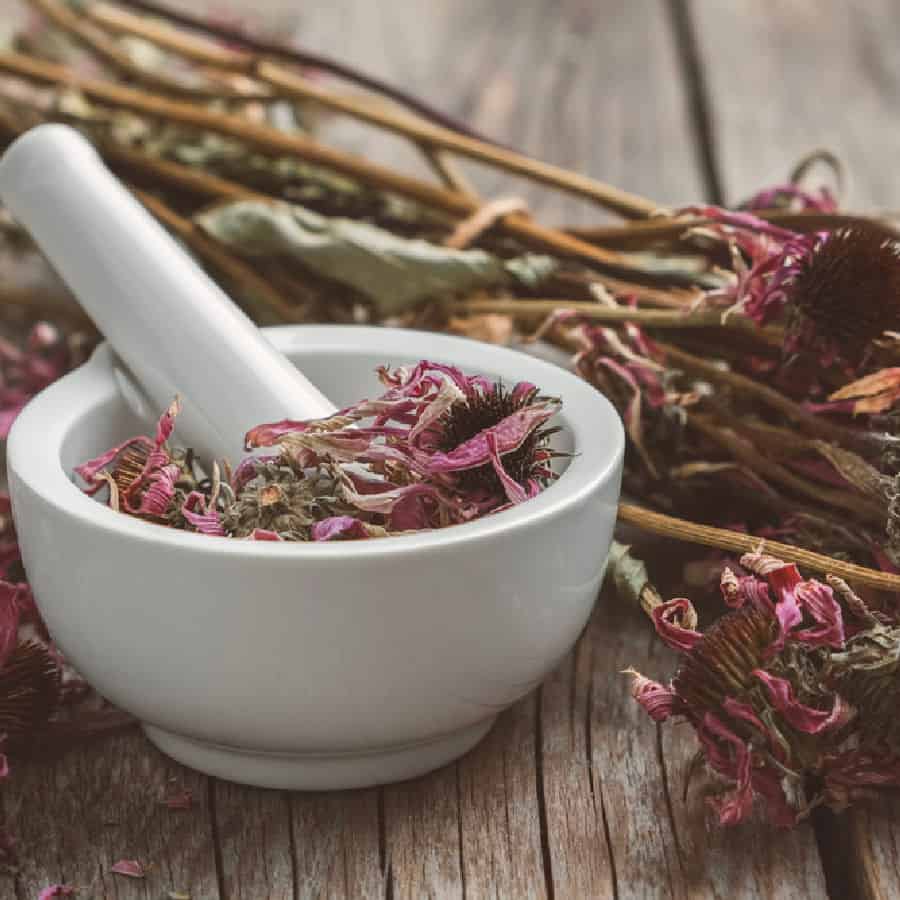
Spread the harvested parts in a single layer on a clean surface in a warm, dry place with good airflow. Allow to sit undisturbed until the plants are dry and crumble easily – about 2-4 weeks.
Store the dried herbs in an airtight container away from light and moisture.
Traditional Medicinal Uses of Echinacea
Echinacea has a long history in herbal medicine, particularly among Native American tribes, who used it to treat a variety of ailments. Here are some of its traditional uses:
Immune Support: Echinacea is renowned for its ability to boost the immune system, helping to prevent and reduce the severity of colds and flu.
Wound Healing: The plant was traditionally applied topically to treat cuts, burns, and insect bites.
Anti-inflammatory: Echinacea has been used to reduce inflammation, particularly in arthritis and respiratory infections.
Pain Relief: Chewing the roots was a common remedy for toothaches, sore throats, and other minor pains.
How to Make Echinacea Tea
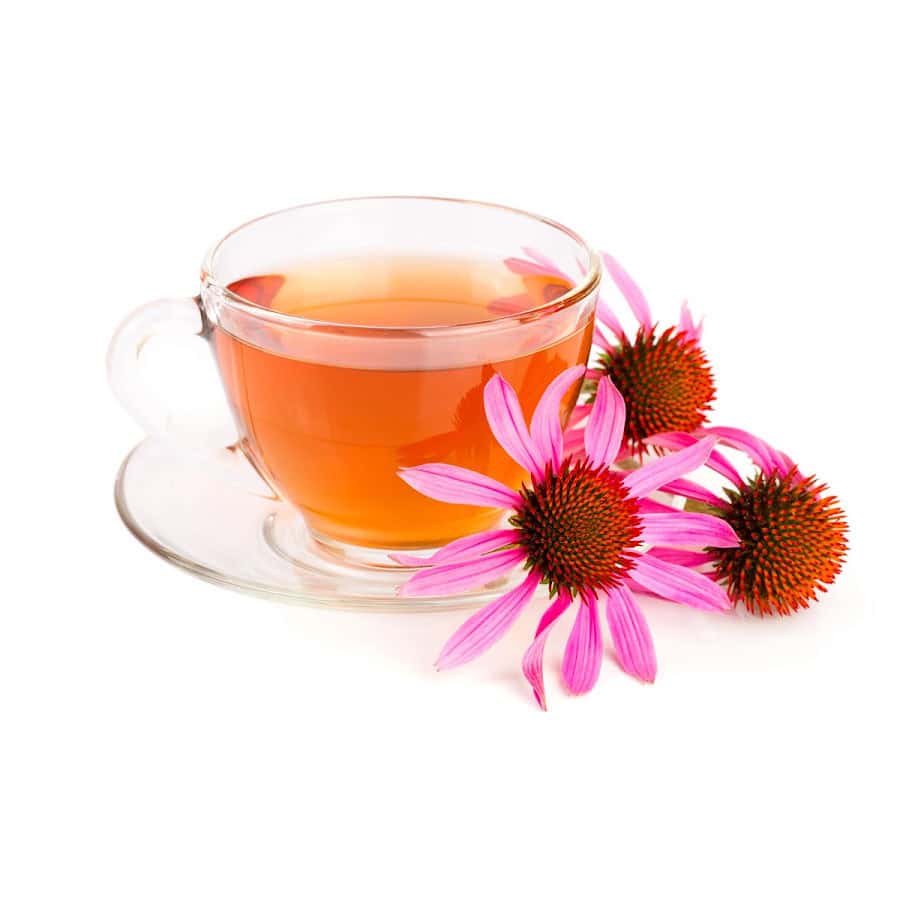
Making Echinacea tea is simple and rewarding. This recipe uses dried Echinacea, but fresh parts can also be used if harvested properly.
Ingredients:
1–2 teaspoons dried Echinacea (flowers, leaves, roots, or a mix of all three)
1 cup boiling water
Optional: honey, lemon, or ginger for flavor
Instructions:
Place the dried Echinacea in a tea infuser or directly in your teacup.
Pour the boiling water over the herbs.
Cover the cup and let the tea steep for 10–15 minutes.
Strain if necessary, then add honey, lemon, or ginger to taste.

Tips for Brewing Echinacea Tea
If you prefer a stronger tea, use Echinacea roots, which give you a more robust flavor and medicinal potency.
Pair Echinacea with other herbs like elderberry, ginger, or peppermint to enhance the immune-supporting benefits.
Drink 1–3 cups daily during cold and flu season for optimal benefits.
You can enjoy this plant’s health benefits and flavor by growing and harvesting your own Echinacea or sourcing high-quality dried herbs.
Do you have a favorite way to enjoy Echinacea tea? Share your thoughts in the comments below.
Echinacea Tea
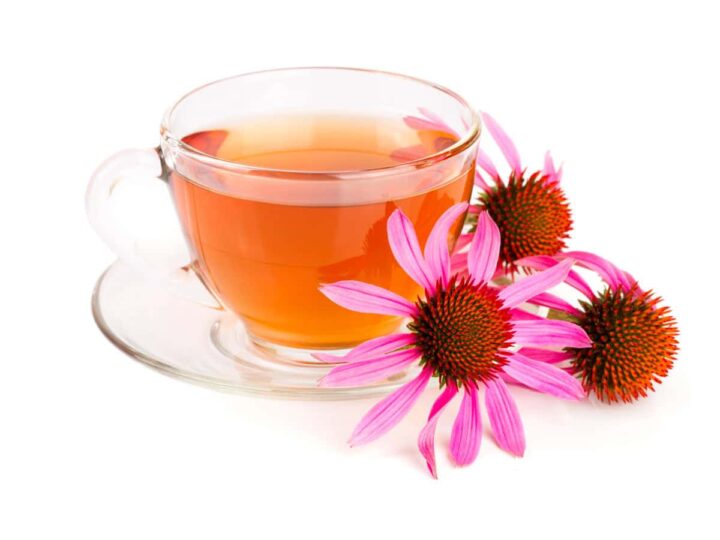
Boost your immunity naturally with this soothing Echinacea tea recipe.
Ingredients
- 1–2 teaspoons dried Echinacea (flowers, leaves, roots, or a mix of all three)
- 1 cup boiling water
Instructions
- Place the dried Echinacea in a tea infuser or directly in your teacup.
- Pour the boiling water over the herbs.
- Cover the cup and let the tea steep for 10–15 minutes.
- Strain if necessary, then add honey, lemon, or ginger to taste.
Notes
- If you prefer a stronger tea, use Echinacea roots, which give you a more robust flavor and medicinal potency.
- Pair Echinacea with herbs like elderberry, ginger, or peppermint to enhance the benefits of immunity.
- Drink 1–3 cups daily during cold and flu season for optimal benefits.
- Optional: honey, lemon, or ginger for flavor
Nutrition Information
Yield 1 Serving Size 1Amount Per Serving Calories 0Total Fat 0gSaturated Fat 0gTrans Fat 0gUnsaturated Fat 0gCholesterol 0mgSodium 9mgCarbohydrates 0gFiber 0gSugar 0gProtein 0g