
If you’re a tea lover looking to elevate your tea-drinking experience, growing your own tea garden is a fantastic way to do it. Not only will you have a bountiful supply of fresh, flavorful ingredients at your fingertips, but you’ll also enjoy the satisfaction of nurturing and harvesting your own herbs.
Advantages of Growing Your Own Herbal Tea Garden
When you grow your own herbs, you have access to fresh leaves, roots, and edible flowers right from your garden or indoor herb garden. This ensures that the herbs you use for tea are at their peak flavor and aroma, giving you a more flavorful cup of tea compared to store-bought herbs.
You also have the advantage of having fresh herbs for cooking right at hand since many of these herbs are a delicious addition to many recipes.
You have complete control over the cultivation process by growing your own herbs. You can choose to use organic methods, avoid pesticides or other chemicals, and ensure that your herbs are grown in optimal conditions.
Growing your own herbs can be cost-effective in the long run. Instead of purchasing packaged herbal teas or fresh herbs from the grocery store regularly, you can harvest and use your own homegrown herbs at no extra cost. Over time, this can lead to significant savings.
**This page may contain affiliate links to products I have used or recommend. If you purchase something from this page, I may receive a small percentage of the sale at no extra cost to you. For more information, click here.**
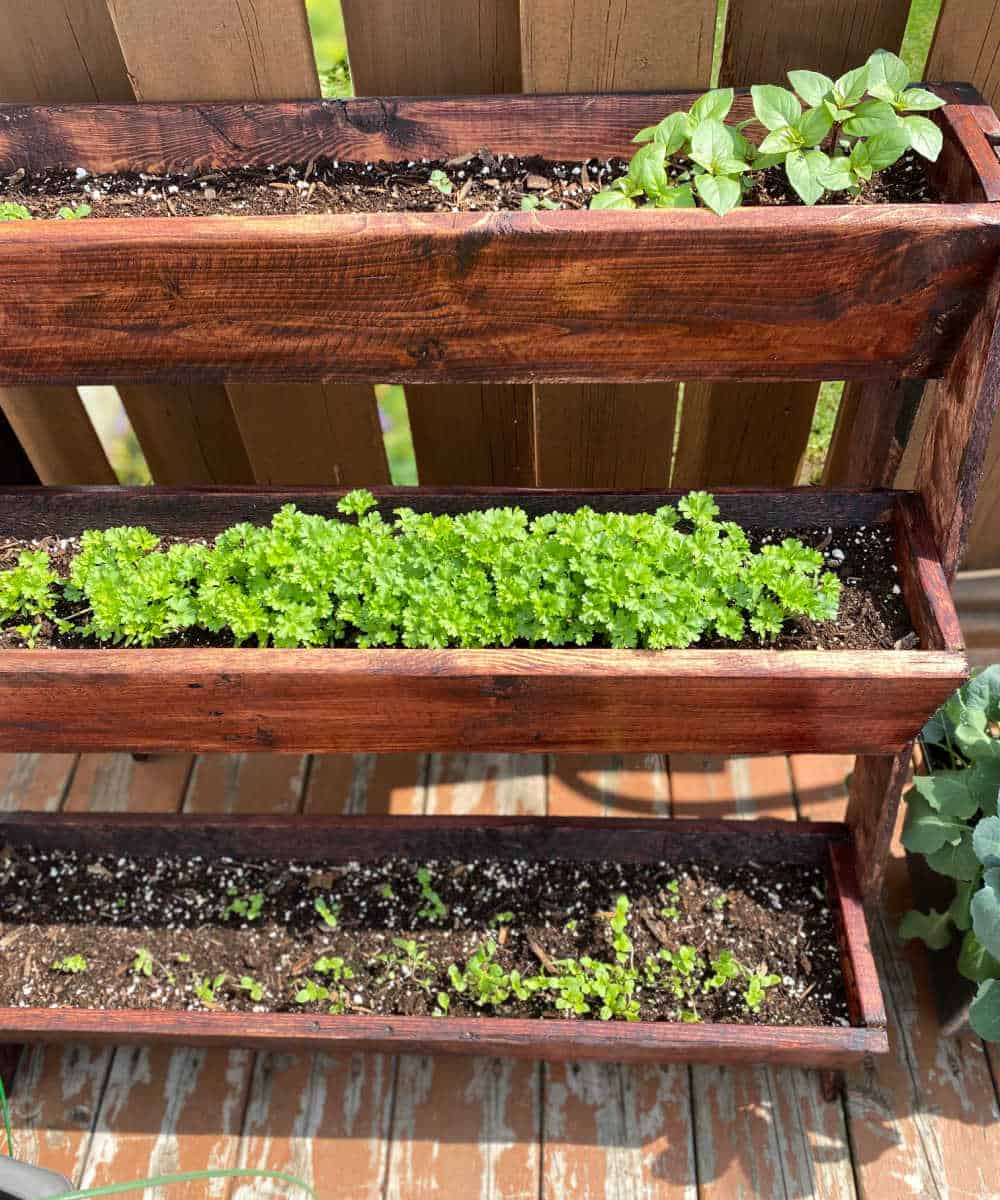
When you grow your own herbs, you have a wide range of options to choose from. You can experiment with different herb combinations and use your favorite herbs to create unique
Herbs also have many supposed health benefits and have been used for centuries as medicine to treat many health conditions. In past centuries many households had “medicine gardens” right outside the kitchen door full of herbs, flowers, and berries grown for their medicinal properties.
There are numerous herbs you can grow to make delicious and refreshing herbal infusions or hot or iced tea. Many of these herbs can be grown on your deck or even indoors year round. You can use grow lights or an areo grower if you don’t get the best light in winter.
Here are some of the best herbs to grow in a tea garden. Many of these can be grown in pots on your deck or inside, but some are larger bushes that are commonly found in backyard gardens.

Best Herbs to Grow in a Tea Garden
1. Chamomile: (Matricaria chamomilla) Known for its calming properties and mild, apple-like flavor, chamomile tea is often consumed to relax and aid with sleep.
2. Peppermint: (Mentha x piperita ) With its refreshing and cooling taste, peppermint tea is great for digestion and soothing an upset stomach. People sometimes chew on peppermint leaves to ease nausea.
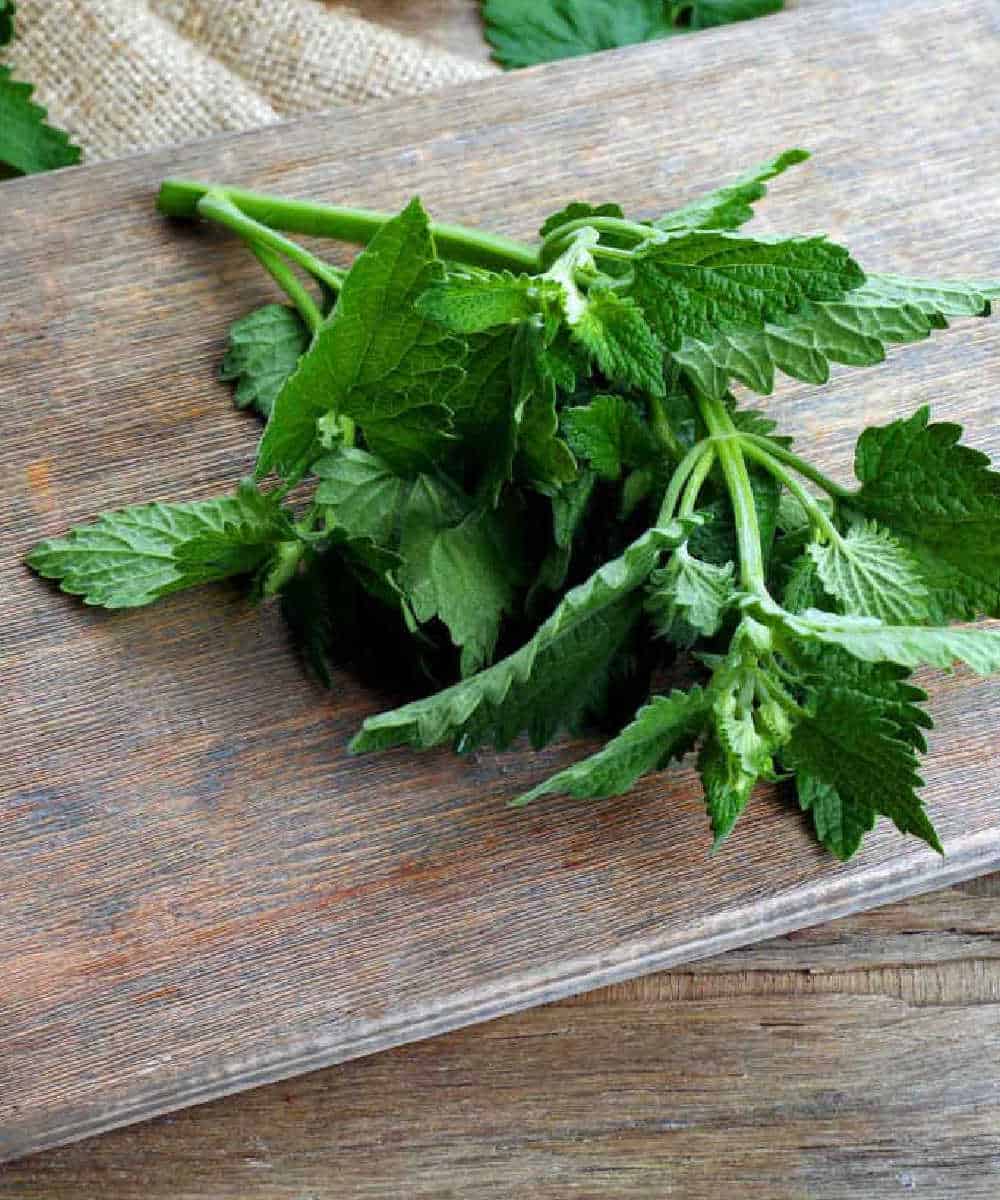
3. Lemon balm: (Melissa officinalis) This herb has a lemony flavor and is often used to make lemon balm tea, for its calming and stress-relieving effects. Although it is a member of the mint family, its flavor is definitely citrusy with only a hint of mint. It pairs well with other herbs like mint or chamomile.
4. Lavender: (Lavandula) Often used for its soothing aroma, lavender can also be brewed into a delicate tea that may help to soothe the nervous system. Lavender tea has a floral and slightly sweet taste. Lavender needs full sun and warm growing conditions so it can be a little tricky to grow in colder climates.
5. Lemon verbena: (Aloysia citrodora) Known for its bright and citrusy flavor, lemon verbena makes a flavorful and refreshing tea. It is believed to aid digestion and promote relaxation.
6. Spearmint: (Mentha spicata) Similar to peppermint, spearmint has a milder flavor and is commonly used in teas for its digestive benefits and refreshing taste.
7. Holy Basil (Tulsi) (Ocimum tenuiflorum): Widely used in Ayurvedic medicine, holy basil has a pleasant aroma and is said to promote overall wellness and stress reduction.
8. Coneflower: (Echinacea) Often used as an immune booster, echinacea can be brewed into a tea that may help support the immune system.
9. Rosemary: (Salvia rosmarinus) While commonly used as a culinary herb, rosemary can also be steeped into a tea with a distinctive flavor. Rosemary tea is believed to aid digestion.
10. Hibiscus: The vibrant flowers of hibiscus create a tangy and refreshing tea. There are many varieties of hibiscus that can be grown in many different planting zones. Hibiscus tea is often consumed hot or iced and can be sweetened with honey or sugar.
11. Lemon grass: (Cymbopogon) With its lemony aroma and flavor, lemongrass creates a refreshing and citrusy
12. Sage: (Salvia officinalis) Known for its earthy and slightly minty taste, sage tea is often enjoyed for its soothing and digestive properties.
13. Bee balm: (Monarda didyma) Bee balm is an excellent herb to grow for making tea due to its bright citrus flavor. You will also enjoy the beautiful floral display this plant provides.
14. Jasmine: (Jasminum) Jasmine is a beautiful indoor plant but it also makes a delicious
15. Thyme: (Thymus vulgaris) Thyme is often grown indoors for culinary uses but can also be easily grown outdoors in well-drained soil. This aromatic herb can also be steeped into a delicious tea that is known for its warming and soothing qualities. Thyme tea is often consumed during the colder months.
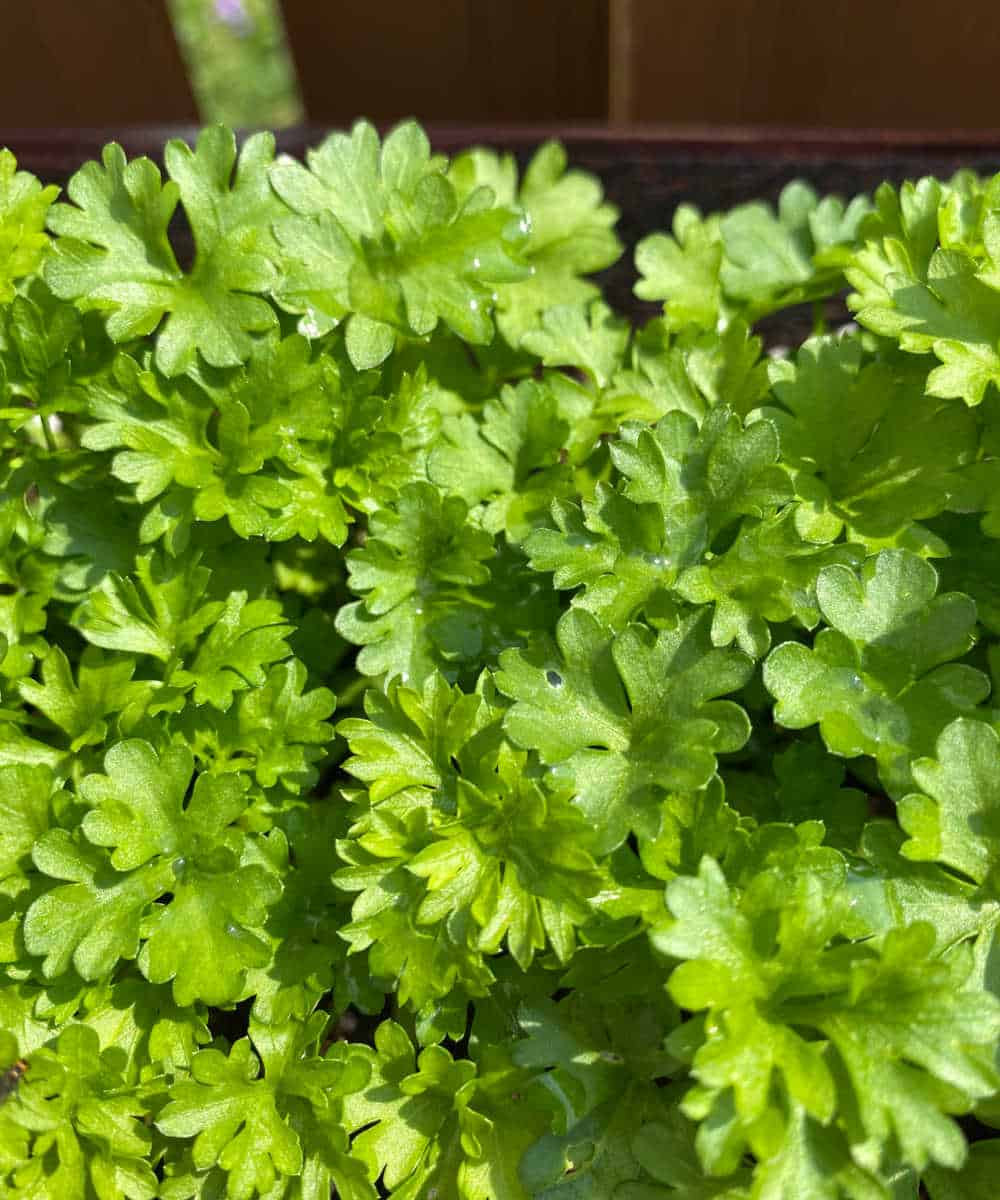
16. Parsley: (Petroselinum crispum) Parsley is a common culinary herb used in cooking and as a garnish. Parsley also makes a delicious tea that is high in antioxidants and vitamin C. Parsley is also very easily grown in pots, on your deck, or in your garden.
17. Fennel: (Foeniculum vulgare) Fennel seeds can be brewed into a tea with a mildly sweet and licorice-like flavor. It is known for its digestive benefits.
18. Calendula: (Calendula officinalis) The vibrant orange and yellow petals of calendula can be dried and steeped into a tea that has a subtle floral, slightly bitter taste.
19. Ginger: (Zingiber officinale) Ginger can be grown indoors in a pot just by planting a piece of ginger root. Ginger tea is delicious and warming and is often used during cold and flu season t ease a sore throat or cough. Try it with a little honey or lemon.

Wild-growing herbs that may also be growing in your garden:
Elderberry: (Sambucus ) Elderberry bushes grow wild in forests and prefer acidic soil but are often found growing in backyard gardens. The flowers and berries make excellent teas that are commonly used to help ease symptoms during flu season.
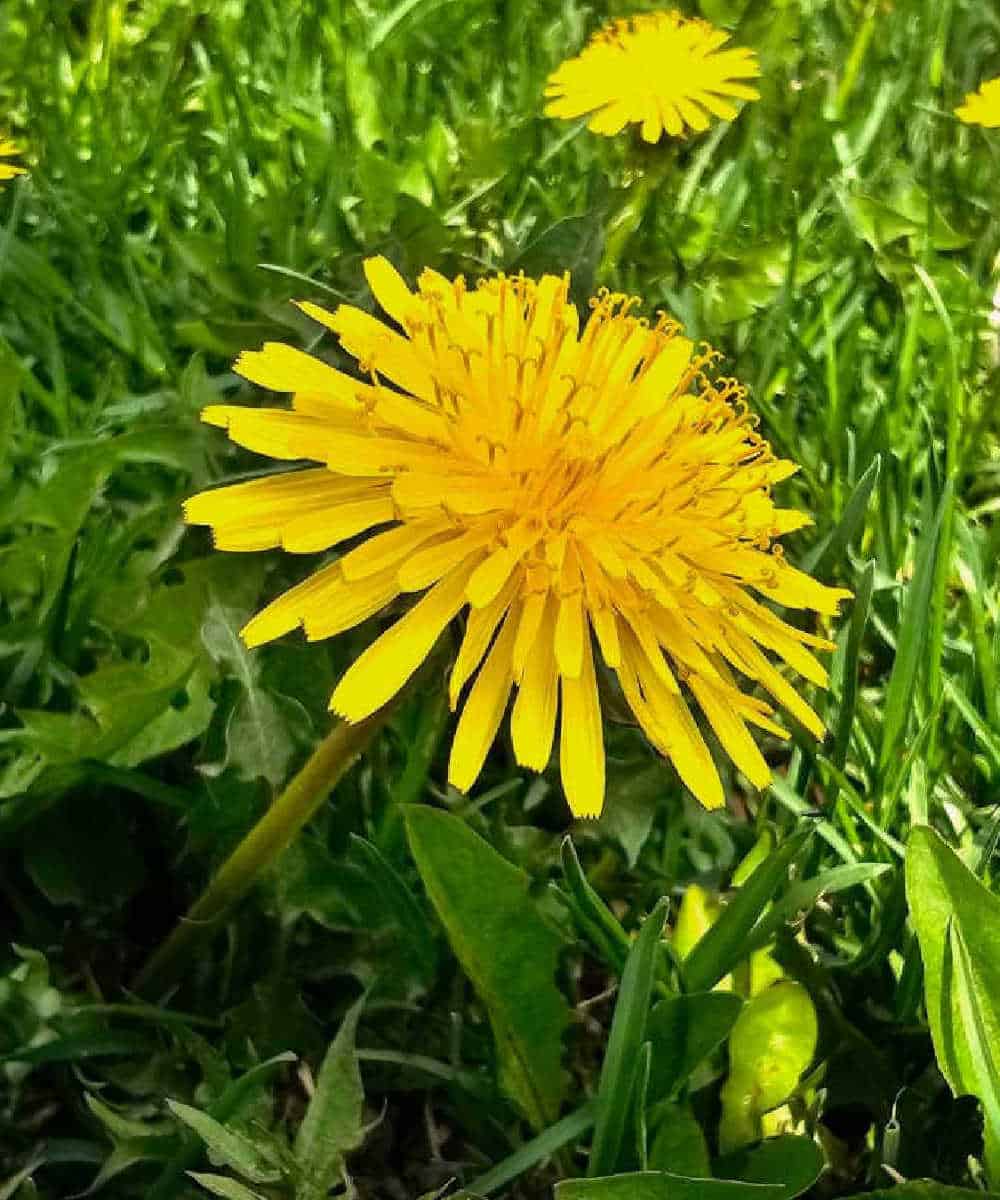
Dandelion: (Taraxacum officinale)This “weed” actually has numerous medicinal benefits. The entire plant’s leaves, roots, and flower heads can be used in the making of an
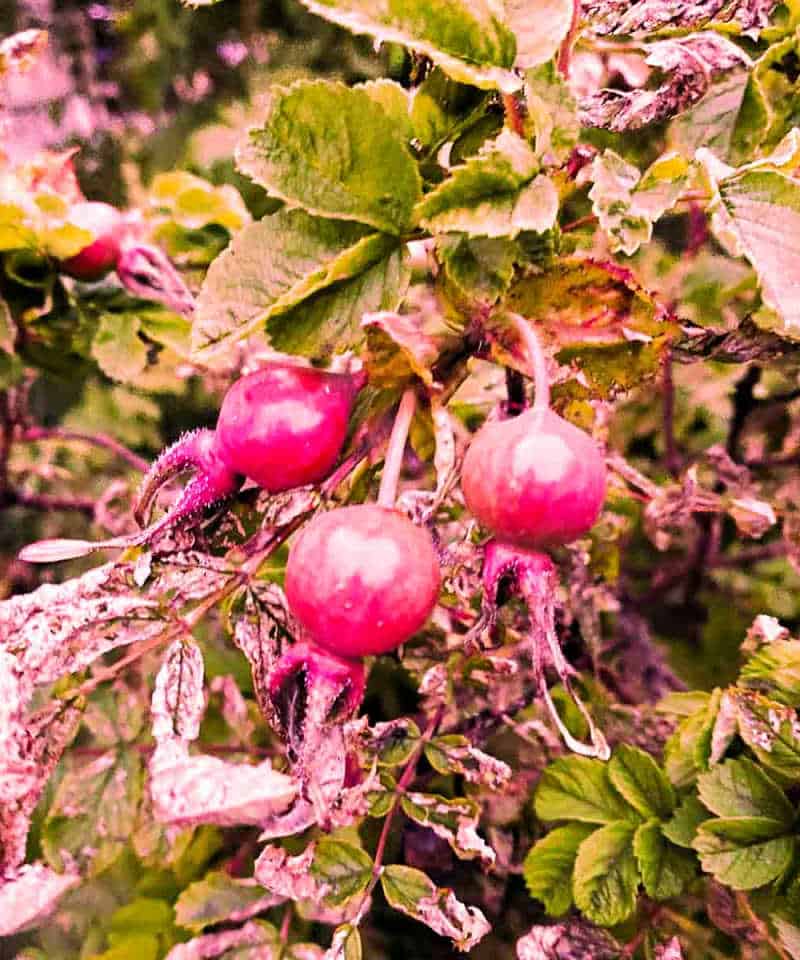
Rose Hips: (Rosa spp.) Wild roses grow almost anywhere, but they are often a beautiful addition to a backyard garden. The rose hips are often harvested in the fall after the petals have fallen. Fragrant and delicate, rose hip tea offers a floral and slightly sweet taste and is rich in vitamin C.
Nettle: (Urtica dioica) While not as commonly consumed as other herbs, nettle tea is known for its potential health benefits and earthy taste. Nettles are one of the most biologically active plants and are used to treat painful muscles and joints, eczema, arthritis, gout, and anemia.
Remember to research the specific growing requirements and care instructions for each herb, as they may vary.
By growing your own