
Nettle leaf tea is a traditional beverage made from the leaves of the stinging nettle plant (Urtica dioica), renowned for its numerous health benefits and rich history of use.
Despite its prickly reputation, this remarkable herb has been used for centuries in traditional medicine and culinary practices. The leaves are carefully harvested, dried, and infused in hot water to create a soothing and flavorful tea.
Nettle leaf tea is often described as having a mild, herbaceous taste with hints of sweetness. It can be enjoyed both hot and cold, offering a refreshing alternative to traditional teas.
While some may find the idea of drinking tea made from stinging nettle leaves off-putting, the process of drying and steeping the leaves neutralizes their stinging properties, making it perfectly safe to consume.
Nettle leaf tea is a rich source of vitamins, minerals, and antioxidants. It is renowned for its immune-boosting properties, anti-inflammatory effects, and its ability to support digestive health.
Additionally, nettle-leaf tea has been associated with promoting healthy skin, aiding hair growth, and addressing certain scalp conditions.
Nettle leaf tea can be sipped on its own or blended with other herbs and flavors to create unique combinations.
Whether you’re a tea enthusiast, a health-conscious individual, or simply curious about exploring the world of natural remedies, nettle-leaf tea is a good choice.
**This page may contain affiliate links to products I have used or recommend. If you purchase something from this page, I may receive a small percentage of the sale at no extra cost to you. For more information, click here.**

Gathering and Preparing Nettle Leaves:
Nettle leaves can be found in various locations, depending on the season and your geographical area. Here are a few common sources to consider when looking for nettle leaves to make tea:
1. Local Herbal Shops or Health Food Stores: Many herbal shops or health food stores carry dried nettle leaves specifically for brewing tea. They might also have information on where to find fresh nettle leaves during the appropriate season.
2. Online Retailers: Numerous online retailers specialize in selling herbs and herbal teas. They offer a wide selection of nettle leaves, both dried and organic, that can be conveniently ordered and delivered to your doorstep.
3. Farmers’ Markets: During the spring and summer months, farmers’ markets often have vendors who sell fresh herbs, including nettle leaves. Visit your local farmers’ market and inquire with the farmers if they have nettle leaves available for purchase.
4. Wild Harvesting: If you live in an area where stinging nettle grows abundantly, you may consider wild harvesting. Take caution when handling fresh nettle leaves, as they can sting. Wear gloves and use scissors or shears to carefully cut the top parts of the plants, avoiding contact with your skin.
Remember to positively identify stinging nettle (Urtica dioica) before gathering any leaves. If you are uncertain, it’s best to consult a knowledgeable local herbalist or forager who can guide you in finding nettle leaves safely.
Once you have gathered your nettle leaves you can dry them and store them for later use or use them right away.
Nettle leaf tea is traditionally a hot drink, but it also makes a delicious iced tea.

Iced Nettle Leaf Tea Recipe
Brewing nettle-leaf tea is a straightforward process that can be customized to suit your taste preferences. Follow these steps to brew a delicious cup of nettle leaf tea:
Ingredients:
– 2 teaspoons of dried nettle leaves (or 2 tablespoons if using fresh leaves)
– 2 cups of water
– Optional: Honey, lemon, or other natural sweeteners for taste.
Instructions for Iced Nettle Leaf Tea
1. Boil the water: Heat water in a kettle or saucepan until it reaches a rolling boil.
2. Prepare the teapot or cup: Place the dried leaves in a teapot or a heatproof cup. If using a teapot, ensure it has a built-in strainer, or use a tea infuser to contain the leaves.
3. Pour the hot water: Pour the boiling water over the nettle leaves in the teapot or cup.
4. Steep the tea: Let the nettle leaves steep in hot water for about 5 to 7 minutes. If you like a stronger flavored tea, let the leaves steep longer. The longer they steep, the stronger the flavor.
5. Strain the tea into a heatproof jar. Allow the tea to come to room temperature. You can then place it in the fridge to finish cooling.
6. Once the tea has cooled, fill a tall glass with ice and pour the tea into the glass.
7. Customize the taste: If desired, add natural sweeteners like a touch of honey or maple syrup or a squeeze of lemon to enhance the flavor of the tea. Stir gently to dissolve the sweetener.
8. Garnish with a mint leaf and serve.

Hot Nettle Leaf Tea
1. Boil the water: Heat water in a kettle or saucepan until it reaches a rolling boil.
2. Prepare the teapot or cup: Place the dried nettle leaves in a teapot or a heatproof cup. If using a teapot, ensure it has a built-in strainer, or use a tea infuser to contain the leaves.
3. Pour the hot water: Pour the boiling water over the nettle leaves in the teapot or cup.
4. Steep the tea: Let the nettle leaves steep in hot water for about 5 to 7 minutes. If you like a stronger flavored tea, let the leaves steep longer. The longer they steep, the stronger the flavor.
5. Strain and serve: If using a teapot with a built-in strainer, simply pour the brewed nettle leaf tea into cups. If using a tea infuser or loose leaves, strain the tea into cups using a fine-mesh sieve or a tea strainer.
6. Add your favorite sweetener if desired.
Optional Variations:
– Blended tea: Experiment with adding other herbs like mint, chamomile, or lemon balm to create unique flavor combinations that complement nettle leaves.
Note: The suggested brewing time and water temperature may vary based on personal taste and the specific qualities of the nettle leaves you are using.
Feel free to adjust the steeping time and amount of nettle leaves to achieve the desired strength and flavor.

The Health Benefits of Nettle Leaf Tea:
Nettle leaf tea is renowned for its variety of potential health benefits. While it’s important to note that individual experiences may vary, here are some of the possible benefits of a cup of nettle tea.
1. Immune system support: Nettle leaf tea contains vitamins (such as vitamin C), minerals (including iron, magnesium, and zinc), and antioxidants that can help develop a healthy immune system and support overall immune health.
2. Anti-inflammatory properties: Nettle leaf tea has been traditionally used for its anti-inflammatory effects. It may help reduce inflammation in the body, potentially alleviating symptoms of conditions like joint pain, allergies, and inflammatory bowel diseases.
3. Digestive health: Nettle leaf tea is believed to have soothing properties for the digestive system. It may aid in relieving gastrointestinal issues such as bloating, indigestion, and irritable bowel syndrome (IBS).
4. Antioxidant activity: The antioxidants found in nettle leaf tea, including flavonoids and carotenoids, can help protect the body’s cells from damage caused by harmful free radicals. Antioxidants contribute to overall health and well-being.
5. Skin and hair health: Nettle leaf tea is often associated with promoting healthy skin and hair. It is believed to have potential benefits for conditions like acne, eczema, and dandruff. It may also help to reduce hair loss, support hair growth and strengthen hair follicles.
6. Diuretic properties: Nettle leaf tea has mild diuretic properties, which means it may help increase urine production and promote detoxification by flushing out toxins from the body. This can contribute to maintaining a healthy urinary system and aid in recovery from urinary tract infections.
7. Blood Pressure: Nettle leaf is believed to stimulate nitric oxide production which dilates blood vessels and helps to lower blood pressure levels.
It’s important to remember that while nettle leaf tea has a long history of traditional use and potential health benefits, individual results may vary.
It is always a good idea to consult with a healthcare professional or herbalist before incorporating nettle leaf tea or any new herbal remedy into your routine, especially if you have specific health concerns or are taking medications.
Iced Nettle Leaf Tea
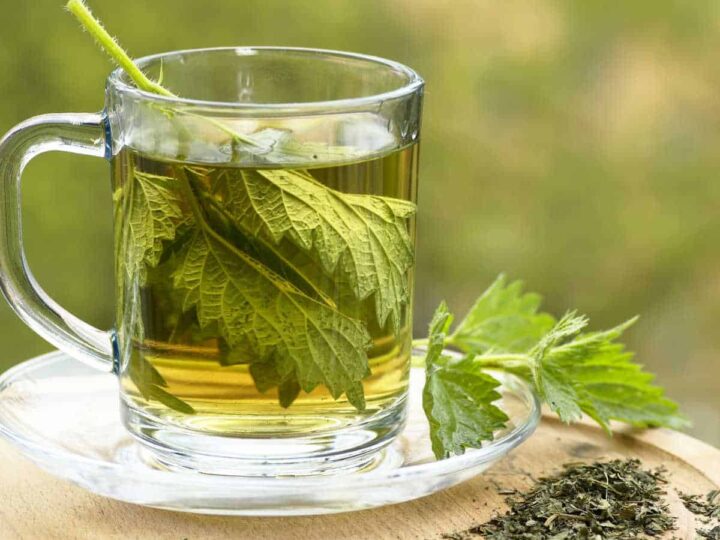
Enjoy this popular herbal tea with ice on a hot summer day. Easy to make, delicious, and full of heathy antioxidants.
Ingredients
- 2 teaspoons of dried nettle leaves (or 2 tablespoons if using fresh leaves)
- 2 cups of water
Instructions
- Heat water in a kettle or saucepan until it reaches a rolling boil.
- Place the dried leaves in a teapot or a heatproof cup.
- Pour the boiling water over the nettle leaves in the teapot or cup.
- Let the nettle leaves steep in hot water for about 5 to 7 minutes. If you like a stronger flavored tea, let the leaves steep longer.
- Strain the tea into a heatproof jar. Allow the tea to come to room temperature. You can then place it in the fridge to finish cooling.
- Once the tea has cooled, fill a tall glass with ice and pour the tea into the glass.
- If desired, add natural sweeteners like a touch of honey or maple syrup or a squeeze of lemon to enhance the flavor of the tea. Stir gently to dissolve the sweetener.
- Garnish with a mint leaf and serve.
Notes
Experiment with adding other herbs like mint, chamomile, or lemon balm to create unique flavor combinations that complement nettle leaves.
The suggested brewing time and water temperature may vary based on personal taste and the specific qualities of the nettle leaves you are using.
Feel free to adjust the steeping time and amount of nettle leaves to achieve the desired strength and flavor.
Nutrition Information
Yield 2 Serving Size 1 cupAmount Per Serving Calories 1Total Fat 0gSaturated Fat 0gTrans Fat 0gUnsaturated Fat 0gCholesterol 0mgSodium 10mgCarbohydrates 0gFiber 0gSugar 0gProtein 0g