
Willow bark tea is a traditional herbal treatment known for its pain-relieving properties. Willow bark, often referred to as “nature’s aspirin,” contains salicin, a compound similar to the active ingredient in aspirin. Here is a simple white willow bark tea recipe and insights into how willow bark may help ease your pain.
What You Need to Know About Willow Bark
Willow bark comes from several varieties of willow trees, including white willow, which we will use in this recipe. People have used the bark of these trees for centuries to alleviate fevers, pain, and inflammation. The active compound, salicin, is converted in the body into salicylic acid, which is known to relieve headaches and other pains.
**This page may contain affiliate links to products I have used or recommend. If you purchase something from this page, I may receive a small percentage of the sale at no extra cost to you. For more information, click here.**
Gathering and Preparing Willow Bark
For the best results, select willow bark from young or medium-aged trees where the bark is still thin and supple. You can harvest willow bark either in spring or early fall. Once harvested, clean the bark and let it dry completely. It can be stored in a cool, dry place until ready to use.
Dried willow bark can also be purchased online, from health food stores, or stores specializing in herbs.

How to Make Willow Bark Tea
Ingredients
2 teaspoons of dried white willow bark (chopped)
2 cups of water
Directions
1. In a small saucepan, bring the water to a boil.
2. Add the dried willow bark to the boiling water. Turn the heat down to a simmer.
3. Allow the mixture to simmer for about 10-15 minutes. This process extracts the salicin from the bark.
4. After simmering, remove the saucepan from the heat and let the tea steep for an additional 20-30 minutes. This extended steeping time helps to enhance the strength of the tea.
5. Strain the tea through a fine mesh strainer or cheesecloth to remove any bark pieces. Pour the tea into a cup.
6. If the bitter taste is too strong, sweeten your tea with a teaspoon of honey or a splash of lemon juice for added flavor.
You can also add a flavored simple syrup such as Homemade Rose Hip Syrup or Lavender Simple Syrup to enhance the flavor of the tea.
Benefits
Willow bark tea has been used for centuries as a natural remedy due to its range of health benefits. Here are some key benefits of willow bark tea:
Pain Relief
Willow bark is best known for its analgesic properties. It is effective in alleviating low back pain, headaches, and other forms of chronic pain. Its ability to reduce pain makes it a popular alternative to conventional over-the-counter painkillers.
Anti-inflammatory Effects
Willow bark’s anti-inflammatory properties can help reduce arthritis-related inflammation, particularly osteoarthritis and rheumatoid arthritis.
Fever Reduction
Willow bark has traditionally been used to treat fevers associated with various illnesses. Its ability to help lower body temperature adds to its utility in managing symptoms of colds and flu.
Heart Health
The salicylic acid produced from willow bark’s salicin may help with heart health by functioning similarly to low-dose aspirin. It can aid in thinning the blood and potentially reducing the risk of heart attacks and strokes, although more research is needed to confirm these effects for routine use.
Anti-acne Treatment
Due to its anti-inflammatory and antibacterial properties, willow bark is also used in skincare, particularly in products designed to treat acne. When used topically, it helps to soothe irritation and reduce acne inflammation, and similar benefits may occur from internal use.
Antioxidant Benefits
Willow bark contains flavonoids and polyphenols, which are antioxidants that help combat free radicals in the body. This can contribute to overall health and may help prevent various diseases related to oxidative stress.
Digestive Health
In moderate amounts, willow bark can promote digestive health by increasing bile secretion and aiding in the digestive process. However, it should be used cautiously because of its potential to irritate the stomach lining.
Menstrual Relief
Willow bark has been used to alleviate menstrual cramps and associated pains due to its anti-inflammatory and analgesic properties.
Weight Management
Some studies suggest that willow bark can enhance weight loss efforts due to its metabolic properties when combined with other natural ingredients, although more research is needed in this area.
While willow bark tea offers numerous benefits, it’s important to use it cautiously and consult a healthcare provider before starting any new treatment, especially for people with existing health conditions or other medications.
Consumption Tips
Dosage: Start with one cup of willow bark tea to see how your body responds. After a few hours, you can consume another cup if needed, but do not exceed three cups in one day.
Caution: Willow bark tea is not suitable for everyone. It should not be taken by children, pregnant or nursing women, or those with allergies to aspirin. Consult a healthcare provider before starting any new treatment, especially if taking other medications.

How to Store Willow Bark
Storing willow bark properly is important to maintain its effectiveness and shelf life. Here are some tips on how to store willow bark correctly:
1. Dry the Willow Bark Thoroughly
If you have fresh willow bark, it needs to be dried before storage to prevent mold and decay. Spread the bark in a single layer on a drying rack or a clean surface in a well-ventilated area away from direct sunlight. Allow the bark to dry completely, which can take several days, depending on the humidity and air circulation.
2. Cut or Grind Before Storing
Once dry, you can cut the willow bark into smaller pieces or grind it into a coarse powder. This step is optional but can make measuring and using the bark easier when preparing your tea.
3. Choose the Right Container
Store the dried willow bark in an airtight container. Glass jars with tight-sealing lids are ideal as they don’t impart any flavors or chemicals to the bark. Ensure the container is completely dry before adding the bark to prevent any moisture from getting trapped inside.
4. Label and Date
Label your storage container with the type of willow bark and the storage date. This will help you keep track of the bark’s freshness and potency.
5. Store in a Cool, Dark Place
Keep the container in a cool, dark place, such as a pantry, cabinet, or drawer. Avoid areas exposed to high temperatures, direct sunlight, or significant temperature fluctuations, as these conditions can degrade the bark’s quality.
6. Check Periodically
Occasionally check the willow bark for any signs of moisture, mold, or unusual odors. Properly dried and stored willow bark can last several years, but inspecting your herbal stores regularly is good practice.
By following these storage guidelines, you can help ensure that your willow bark retains its medicinal properties and remains safe for use when needed.

Willow Bark Tea Side Effects
Stomach Irritation
Willow bark contains salicin, which converts into salicylic acid in the body, similar to aspirin. This can lead to gastrointestinal discomfort, including stomach pain, ulcers, or digestive upset, particularly if taken on an empty stomach.
Allergic Reactions
People who are allergic to aspirin or other salicylates may also be allergic to willow bark. Symptoms could include rash, itching, swelling, and respiratory difficulties.
Bleeding Disorders
Since willow bark has properties similar to aspirin, it can increase the risk of bleeding. It may prolong bleeding time and should be used cautiously by individuals with bleeding disorders or those taking anticoagulant medications.
Kidney Problems
Long-term use of willow bark may affect kidney function, especially in individuals with existing kidney conditions. It’s important to monitor usage and consult a healthcare provider if you have kidney issues.
Interactions with Medications
Willow bark can interact with certain medications, including blood thinners, beta-blockers, pain relievers like ibuprofen and naproxen, and certain supplements that increase bleeding risk.
Reye’s Syndrome in Children
Similar to aspirin, willow bark should not be given to children or teenagers with flu-like symptoms or chickenpox due to the risk of Reye’s syndrome, a rare but serious condition that can cause swelling in the liver and brain.
Pregnancy and Breastfeeding
The safety of willow bark during pregnancy and breastfeeding isn’t well established. Due to its similarity to aspirin, it is generally recommended to avoid use during these times.
To minimize the risk of side effects, it is advisable to start with a lower dose of willow bark tea to see how your body reacts before increasing the dose. Always consult a healthcare provider before starting any new treatment, especially if you have existing health conditions or are taking other medications.
Willow bark tea is a natural and historical remedy for relieving headaches. It is a gentle yet practical approach to pain management. Try this willow bark tea recipe next time you need relief from a headache and experience the natural power of herbal healing.
Willow Bark Tea
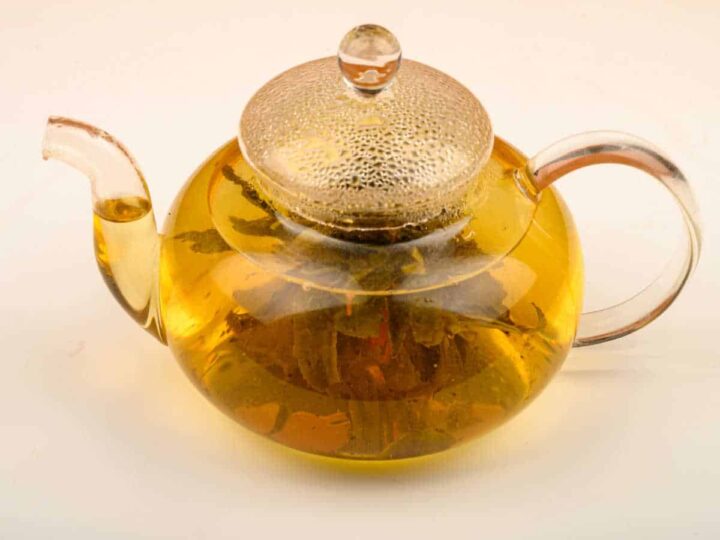
Willow bark is known as nature's aspirin, and it is perfect for reducing pain and inflammation naturally.
Ingredients
- 2 teaspoons of dried white willow bark (chopped)
- 2 cups of water
Instructions
- In a small saucepan, bring the water to a boil.
- Add the dried willow bark to the boiling water. Turn the heat down to a simmer.
- Allow the mixture to simmer for about 10-15 minutes. This process extracts the salicin from the bark.
- After simmering, remove the saucepan from the heat and let the tea steep for an additional 20-30 minutes. This extended steeping time helps to enhance the strength of the tea.
- Strain the tea through a fine mesh strainer or cheesecloth to remove any bark pieces. Pour the tea into a cup.
Notes
- Please read the precautions before drinking this tea.
Nutrition Information
Yield 2 Serving Size 1Amount Per Serving Calories 0Total Fat 0gSaturated Fat 0gTrans Fat 0gUnsaturated Fat 0gCholesterol 0mgSodium 9mgCarbohydrates 0gFiber 0gSugar 0gProtein 0g