
Feverfew (Tanacetum parthenium) is a traditional medicinal herb with daisy-like flowers.
While human studies are limited, feverfew has a long history of use in traditional medicine. It is renowned for its natural healing properties, particularly in preventing migraine headaches, easing menstrual cramps, and reducing inflammation and joint pain.
The fresh leaves and flowers can be made into a soothing “headache tea.”
Ingredients for Feverfew Tea
You only need a few ingredients to make this tea.
1 teaspoon of dried feverfew leaves or 10 fresh feverfew flowers
1 cup of boiling water
Honey or lemon (optional, for taste)

How to Make Feverfew Tea
1. Begin with dried feverfew leaves, which can be bought from health food stores or harvested from your garden. If you choose to dry them yourself, hang the leaves in a cool, dark place until they are completely dry and contain no moisture.
2. Place the dried feverfew leaves or fresh flowers in a tea infuser, pot, or cup. Pour boiling water over the leaves and cover the cup with a lid to steep. This helps to trap the essential oils and flavors.
3. Let the tea steep for about 10 to 15 minutes. The longer you steep, the stronger the tea will be.
4. Pour the tea from the pot into a cup. If you’ve placed the leaves directly in the cup, strain it using a fine mesh sieve.
5. Feverfew has a bitter herb with a naturally bitter taste, so you might want to add honey or a squeeze of lemon to enhance the flavor.
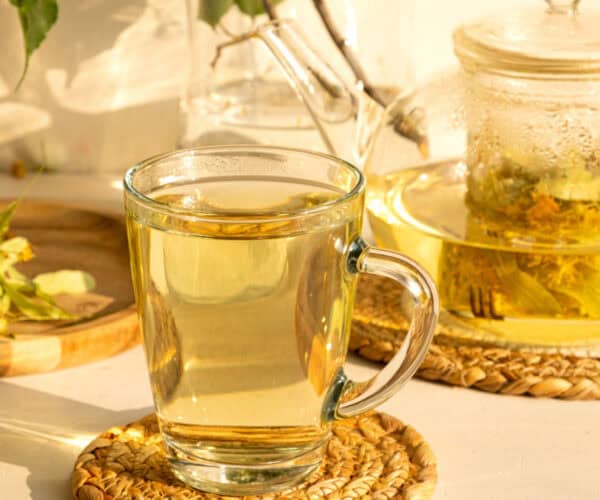
Health Benefits of Feverfew Tea
Headache Remedy:
The feverfew plant is best known for its effectiveness in preventing migraines. Studies suggest that it reduces the frequency of headaches and the symptoms associated with migraines, such as nausea and vomiting. It can also provide pain relief for tension headaches.
Anti-inflammatory Properties:
The compound parthenolide, found in feverfew, helps reduce inflammation. This can benefit those suffering from arthritis or other inflammatory conditions.
Antioxidant Benefits:
Feverfew contains antioxidants that combat free radicals, which are harmful to body cells and can contribute to various diseases.
Easing Digestion Issues:
This herb can help soothe the digestive tract and relieve symptoms of indigestion, gas, and stomach aches.
Side Effects of Feverfew
Feverfew is generally considered safe when used appropriately, but like many herbal remedies, it can cause side effects, especially if taken in large amounts or over a long period. Here are some potential adverse effects to be aware of.
Mouth Ulcers and Gastrointestinal Distress: Some people may experience mouth ulcers, swelling of the lips, tongue irritation, and other oral issues. It can also cause gastrointestinal disturbances such as nausea, vomiting, diarrhea, and abdominal pain.
Allergic Reactions: Those allergic to other members of the daisy family, such as ragweed, chrysanthemums, and marigolds, might also have an allergic reaction to feverfew. Allergic reactions can include rashes, contact dermatitis, and breathing difficulties.
Blood-Thinning Effects: Feverfew’s antiplatelet properties may slow blood clotting, which can increase the risk of bleeding, particularly in people taking blood-thinning medications like warfarin or aspirin.
Pregnancy and Breastfeeding: Feverfew is not recommended for pregnant women as it may induce uterine contractions, leading to miscarriage or premature labor. The safety of feverfew for nursing mothers has not been established, so it’s best avoided or used only under medical supervision.
Withdrawal Symptoms: Abruptly stopping feverfew after long-term use can lead to withdrawal symptoms such as headaches, anxiety, stiffness, and trouble sleeping.
Interaction with Medications: Feverfew can interact with certain medications, including those for blood clotting, cancer treatments, and medications metabolized by the liver. If you are taking these medications, it is recommended that you get medical advice before drinking feverfew tea.
As with all natural remedies, it’s a good idea to consult a healthcare provider before starting feverfew, especially if you have underlying health conditions, are pregnant, nursing, or are taking other medications.

Where to Find Feverfew
Dried feverfew leaves are commonly available at health food stores.
If local options are limited, you can find feverfew leaves and seeds online on herbal retail sites or find feverfew tea on Amazon.
For those with a green thumb, consider growing feverfew in your garden. It’s hardy and can thrive in various climates, requiring minimal care beyond regular watering and occasional pruning.
Feverfew Tea

This is an easy feverfew tea recipe that can help with migraines and ease arthritis pain. It has just two ingredients and a little sweetener.
Ingredients
- 1 teaspoon of dried feverfew leaves or 10 fresh flowers
- 1 cup of boiling water
Instructions
- Prepare the leaves or flowers by ensuring that there is no debris or dirt on them.
- Place the dried feverfew leaves or fresh flowers in a tea infuser, pot, or cup. Pour the boiling water over the leaves and cover the cup with a lid to steep.
- Let the tea steep for about 10 to 15 minutes. The longer you steep, the stronger the tea will be.
- Pour the tea from the pot into the cup using a strainer. If you've placed the leaves directly in the cup, strain them using a fine mesh sieve.
- Feverfew has a naturally bitter taste, so you might want to add honey or a squeeze of lemon to enhance the flavor profile.
Notes
- Feverfew can be bitter, so adding a little sweetener of your choice is recommended.
Nutrition Information
Yield 1 Serving Size 1Amount Per Serving Calories 0Total Fat 0gSaturated Fat 0gTrans Fat 0gUnsaturated Fat 0gCholesterol 0mgSodium 9mgCarbohydrates 0gFiber 0gSugar 0gProtein 0g